Listen to this Article:
As we navigate the complexities of modern life, it’s easy to lose sight of our inner world. The constant demands of career, relationships, and personal growth can leave us feeling ungrounded and disconnected from our deepest selves. Yet, within the ancient Vedic tradition, lies a powerful tool for rebalancing our energies and aligning with our true nature: the chakras. In this exploration, we’ll embark on a journey to understand the chakras, and the techniques for balancing them, weaving together the timeless wisdom of the Bhagavad Gita and the Puranas with the insights of modern Western psychology.
The Whispers of the Chakras
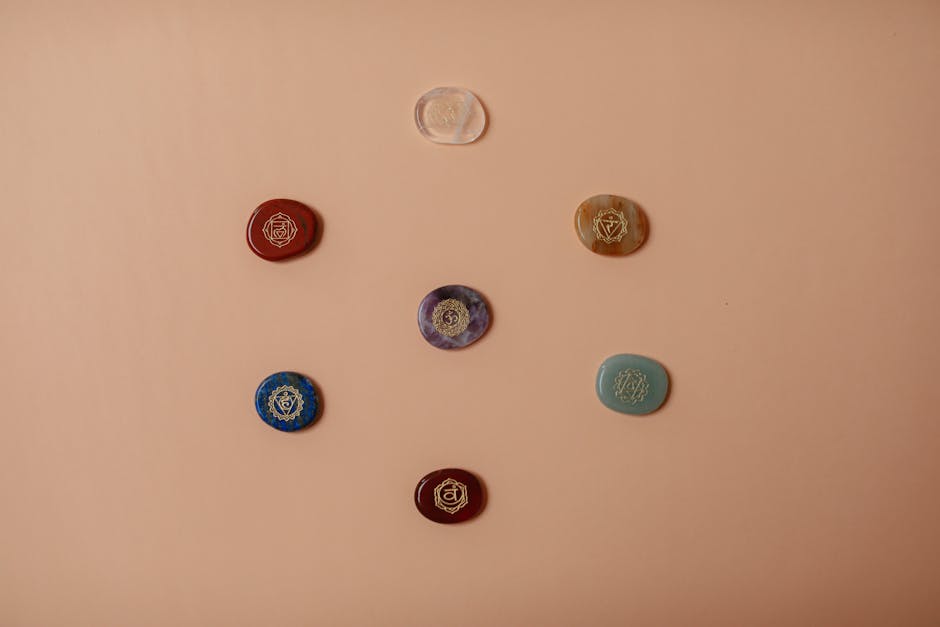
In Sanskrit, the word “chakra” means “wheel” or “circle,” referring to the subtle energy centers that reside within our body. These seven major chakras, located along the spine, are like lotus flowers, each with its own unique petal-like energies that influence our physical, emotional, and spiritual well-being. The root chakra, or Muladhara, represents our sense of grounding and stability, while the crown chakra, or Sahasrara, embodies our connection to the divine. As we journey through the chakras, we begin to appreciate the intricate web of energies that shape our experiences and perceptions.
In the Bhagavad Gita, Krishna reminds us that the body is a temple, and the chakras are the sacred spaces within that temple. By attending to these energies, we can cultivate a deeper sense of balance, harmony, and inner peace. The Puranas, ancient Hindu scriptures, describe the chakras as a ladder of consciousness, leading us from the earthly realm to the divine. As we climb this ladder, we transcend the limitations of our ego and tap into the boundless potential of our true selves.
The Rhythm of the Breath
One of the most accessible and powerful techniques for chakra balancing is the practice of conscious breathing. In Sanskrit, the word “prana” refers to the life force that flows through our body, and “pranayama” is the art of directing this energy through the breath. By slowing down our breathing, we can calm the nervous system, quiet the mind, and awaken the subtle energies of the chakras. As we inhale, we invite fresh prana into our body, nurturing the growth of our inner lotus. As we exhale, we release stagnation, allowing the energies to flow freely.
In modern Western psychology, the concept of mindfulness has gained significant attention, and conscious breathing is a cornerstone of this practice. By focusing on the breath, we detach from the constant stream of thoughts and emotions, and instead, tune into the present moment. This mindfulness allows us to observe our experiences without judgment, much like the impartial witness described in the Bhagavad Gita. As we cultivate this awareness, we become more attuned to the subtle whispers of our chakras, and more adept at navigating the complexities of our inner world.
The Harmony of Sound
Another potent technique for chakra balancing is the use of sound. In the Vedic tradition, sound is considered a sacred tool for healing and transformation. The word “mantra” refers to a specific sound or phrase that is repeated to invoke a particular energy or intention. Each chakra has its own corresponding mantra, which, when repeated, can help to balance and align the energies. For example, the sound “lam” is associated with the root chakra, promoting feelings of grounding and stability.
In modern times, we’re beginning to appreciate the impact of sound on our well-being. Research has shown that listening to calming music or nature sounds can reduce stress and anxiety, while also improving focus and productivity. The Vedic tradition takes this a step further, suggesting that sound can be used to transcend the limitations of the material world and connect with the divine. In the Puranas, the god Krishna is often depicted playing the flute, symbolizing the power of sound to awaken the heart and transport us to a realm of divine love.
The Dance of the Body
The body is a magnificent instrument, capable of expressing the full range of human emotions. In the Vedic tradition, the practice of yoga is a powerful tool for chakra balancing, as it combines physical postures, breath awareness, and meditation to awaken the subtle energies. Each yoga pose is designed to target specific chakras, stretching and strengthening the muscles, while also awakening the corresponding energies.
In modern Western psychology, the concept of somatic experience has gained significant attention, recognizing the interconnectedness of body and mind. By engaging in physical activities that bring us joy, such as dance or hiking, we can release endorphins, which promote feelings of happiness and well-being. The Vedic tradition takes this a step further, suggesting that the body is a temple, and that by honoring its wisdom, we can tap into the deeper rhythms of the universe. As we move our body, we’re not just exercising; we’re also harmonizing our energies, and aligning with the natural world.
The Quiet Echo of the Heart
As we explore the techniques of chakra balancing, we begin to appreciate the profound impact that these practices can have on our lives. By attending to the subtle energies of our body, we can cultivate a deeper sense of balance, harmony, and inner peace. We can also develop a greater sense of self-awareness, allowing us to navigate the complexities of our modern world with greater ease and clarity.
As the Bhagavad Gita reminds us, the ultimate goal of spiritual practice is not to achieve some distant state, but to realize our true nature, here and now. The chakras are a powerful tool for facilitating this realization, by awakening the subtle energies that reside within us. As we journey through the chakras, we’re not just balancing our energies; we’re also awakening to the profound wisdom of our own heart.
As we come to the end of this exploration, I offer you a Seed of Reflection: What is the whisper of your heart, calling to you in this moment? Is it a gentle breeze, urging you to slow down and listen, or a passionate cry, encouraging you to take bold action? Whatever the whisper, may you have the courage to listen, and the wisdom to follow its gentle guidance. For in the stillness of the heart, lies the wisdom of the ages, and the key to unlocking the profound secrets of the chakras. May you walk in harmony, with the rhythm of your own heart, and the wisdom of the ancient Vedic tradition guiding you on your journey.