Listen to this Article:
The Celestial Dance of the Mind
As we navigate the complexities of modern life, it’s easy to get lost in the chaos of our own thoughts. The constant din of anxiety, the pressures of career and relationships, and the never-ending stream of information can leave us feeling drained and disconnected from our true selves. It’s as if we’re wandering through a dense forest, searching for a glimpse of clarity and peace. This is where the ancient wisdom of Nakshatra astrology comes in – a timeless guidance system that offers a profound understanding of the human psyche and our place within the universe.
In the Bhagavad Gita, that sacred text of Hindu philosophy, we find the concept of the “three gunas” – the fundamental qualities of nature that shape our experiences and perceptions. The gunas are like the three strands of a rope, intertwined and inseparable: sattva, the quality of clarity and harmony; rajas, the quality of activity and passion; and tamas, the quality of darkness and inertia. As we explore the realm of Nakshatra astrology, we’ll see how these gunas influence our mental wellbeing and our journey towards self-realization.
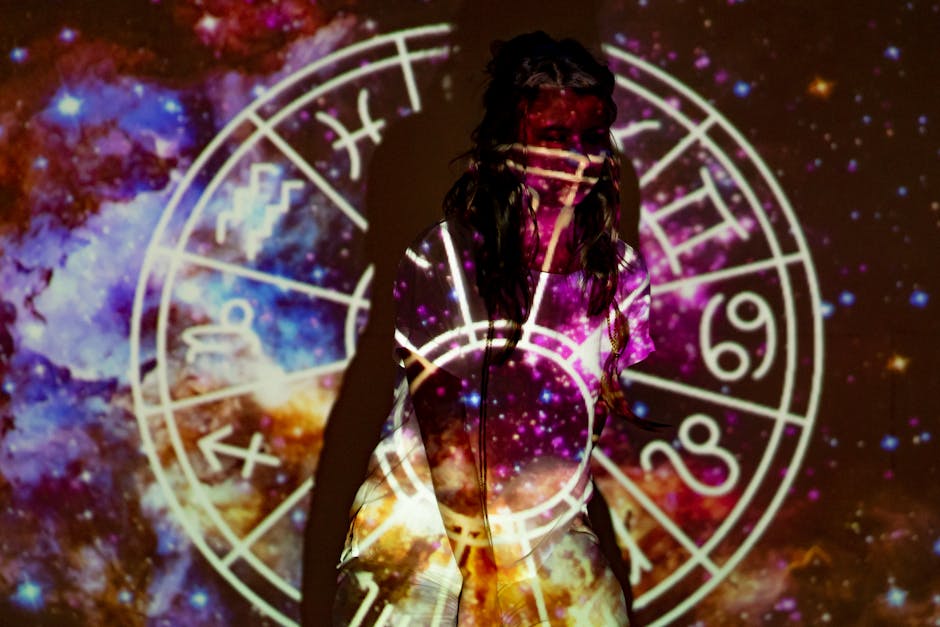
The term “Nakshatra” itself refers to the lunar mansions – 27 celestial abodes that the moon passes through in its orbit around the earth. Each Nakshatra is associated with a particular set of energies, themes, and deities, which in turn shape our emotional, mental, and spiritual landscapes. By understanding the Nakshatra that corresponds to our birth star, we can gain insight into our inner world and the patterns that drive us. It’s a bit like having a personalized map to navigate the twists and turns of our own minds.
Whispers from the Puranas
The Puranas, those ancient Hindu scriptures, offer a wealth of stories and teachings that illuminate the human condition. They speak of the divine and the cosmos, of creation and destruction, and of the eternal cycle of birth, growth, and transformation. In the context of Nakshatra astrology, the Puranas provide a rich tapestry of mythological and symbolic associations that help us decipher the deeper meanings of our birth stars.
Consider the Nakshatra of Rohini, for example, which is associated with the energy of growth, creativity, and nurturing. A person born under Rohini may have a natural talent for art, music, or other creative pursuits, and may be drawn to careers that involve teaching, healing, or caregiving. But Rohini is also a Nakshatra of intense emotional sensitivity, and individuals born under this star may struggle with mood swings, emotional turbulence, and a deep-seated need for security and stability.
As we explore the Nakshatras, we begin to see that each one represents a unique facet of human consciousness – a particular blend of energies, tendencies, and potentialities. By understanding our own Nakshatra, we can develop a more compassionate and nuanced understanding of ourselves, and cultivate the self-awareness and self-acceptance that are essential for mental wellbeing.
The Dance of the Planets
In Nakshatra astrology, the planets are seen as celestial messengers that influence our thoughts, emotions, and actions. Each planet is associated with a particular set of energies and themes, which shape our experiences and relationships in profound ways. The sun, for example, represents our inner light, our sense of purpose, and our connection to the divine. The moon, on the other hand, symbolizes our emotional world, our intuition, and our capacity for nurturing and care.
As the planets dance across the celestial landscape, they form complex patterns and relationships that reflect our inner worlds. A person with a prominent sun in their birth chart, for instance, may be naturally confident, charismatic, and driven, but may also struggle with ego inflation, pride, and a tendency to dominate others. By understanding the planetary influences in our birth chart, we can gain insight into our strengths, weaknesses, and potential areas of growth, and develop the self-awareness and self-regulation that are essential for mental wellbeing.
Bridging the Ancient and the Modern
As we explore the realm of Nakshatra astrology, we may find that its ancient wisdom resonates deeply with modern Western psychology. The concept of the “shadow” in Jungian psychology, for example, has parallels with the Nakshatra concept of “karma” – the idea that our past actions and experiences shape our present and future. The shadow refers to the repressed or hidden aspects of our personality, which can influence our thoughts, feelings, and behaviors in subtle yet powerful ways.
Similarly, the Nakshatra concept of “dharmic duty” – the idea that we each have a unique role to play in the world – resonates with the modern concept of “purpose” and “meaning-making.” By understanding our dharmic duty, we can discover our passion, our values, and our sense of direction, and cultivate a sense of fulfillment and satisfaction that is essential for mental wellbeing.
A Final Thought for the Day
As we navigate the complexities of modern life, it’s easy to get lost in the noise and chaos of our own minds. But what if we were to approach our mental wellbeing with the same curiosity, compassion, and openness that we would bring to a beautiful work of art? What if we were to see our own minds as a vast, intricate landscape, full of hidden patterns, symbols, and meanings waiting to be uncovered?
In the Bhagavad Gita, Krishna offers a beautiful teaching: “The one who has controlled the mind, and senses, and has realized the Self, is eligible to attain the state of supreme peace and freedom.” As we explore the realm of Nakshatra astrology, we may find that this ancient wisdom offers a profound path to self-discovery, healing, and transformation. May we approach our own minds with kindness, curiosity, and compassion, and may we discover the peace, freedom, and fulfillment that awaits us on the journey within.