
Listen to this Article:
A New Dawn of Awareness
As we navigate the complexities of modern life, it’s easy to get caught up in the chaos of our daily routines. Our minds are constantly racing, and it’s not uncommon to feel drained, anxious, or unfulfilled. Yet, deep within us, there’s a longing for something more – a sense of inner peace, a feeling of being grounded and connected to our true selves. This is where the ancient Vedic wisdom comes in, offering timeless insights and practical tools to cultivate mindfulness and serenity in our daily lives. In the words of the Bhagavad Gita, “The one who has controlled the mind, and senses, and has realized the Self, is eligible to attain the state of supreme peace and liberation.”
As we embark on this journey of self-discovery, it’s essential to understand the concept of “dharma” – our inherent duty to live a life of purpose and meaning. In today’s fast-paced world, this might translate to finding a career that aligns with our values, nurturing meaningful relationships, or simply being present in our daily activities. The Puranas, ancient Indian scriptures, remind us that our dharma is not just about fulfilling our responsibilities but also about cultivating a sense of awareness and compassion in everything we do. By living in accordance with our dharma, we can experience a sense of fulfillment and inner peace that’s not dependent on external circumstances.
Cultivating Mindfulness in Daily Life
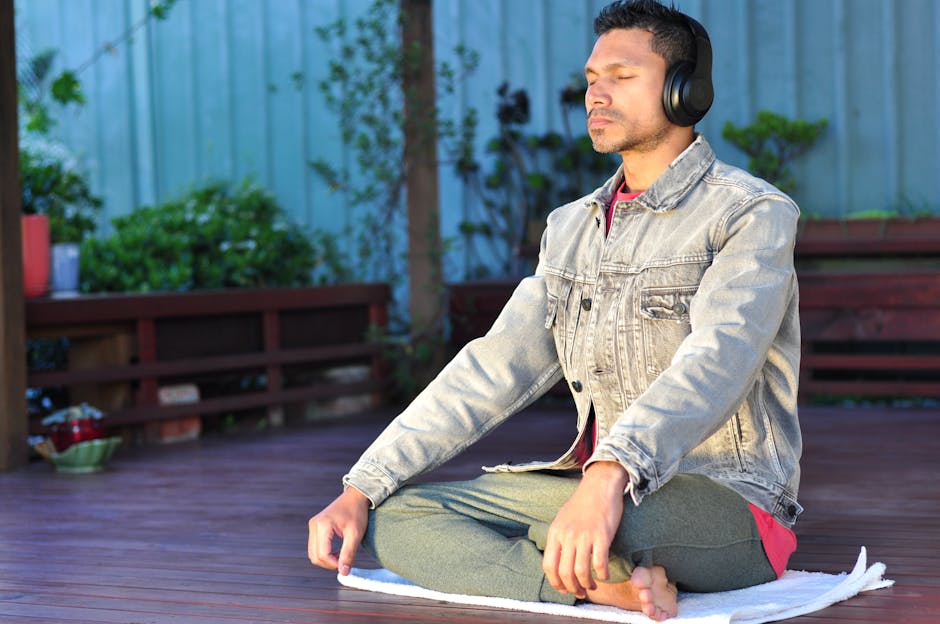
So, how do we incorporate these timeless principles into our modern lives? Let’s start with the simple yet profound practice of meditation. In Sanskrit, this is known as “dhyan” – a state of being fully present and aware in the moment. By setting aside just a few minutes each day to sit quietly, focus on our breath, and observe our thoughts and emotions, we can begin to develop a greater sense of clarity and calm. This, in turn, can help us navigate life’s challenges with more ease, patience, and understanding. As we meditate, we can repeat a gentle mantra, such as “om mani padme hum,” to help quiet the mind and connect with our inner selves.
Another essential habit is the practice of “ahimsa” – non-violence or compassion in thought, word, and action. In today’s world, this might mean being more mindful of our interactions with others, avoiding gossip or negative speech, and treating all living beings with kindness and respect. By embracing ahimsa, we can create a more harmonious and peaceful environment, both within and around us. The Bhagavad Gita reminds us that “the one who is non-violent, always truthful, and free from envy, is dear to Me” – a powerful reminder of the importance of living with compassion and integrity.
Embracing the Beauty of Imperfection
As we navigate the ups and downs of life, it’s easy to get caught up in our expectations and desires. We might strive for perfection in our careers, relationships, or personal achievements, only to find ourselves feeling frustrated, disappointed, or burnt out. The Vedic wisdom offers a beautiful alternative – the concept of “vairagya” or detachment. This doesn’t mean we become apathetic or unengaged; rather, we learn to cultivate a sense of acceptance and surrender, recognizing that life is inherently imperfect and ever-changing. By embracing this reality, we can find a sense of freedom and peace, even in the midst of chaos. As the Bhagavad Gita so eloquently puts it, “The one who has taken his birth, being determined by his association with the material modes of nature, is not free; but the one who has transcended these modes, even though engaged in material activities, is free.”
In our daily lives, this might mean letting go of our need for control, being more flexible, and embracing the uncertainty of life. We can practice “ishvara pranidhana” – surrendering to a higher power or the universe, recognizing that we’re not alone and that there’s a larger plan at play. This can be a powerful antidote to anxiety, stress, and feelings of overwhelm, allowing us to trust in the natural unfolding of life. As we surrender, we can repeat the mantra “om shanti” – a gentle invocation of peace and tranquility.
Nurturing Body, Mind, and Spirit
Another crucial aspect of our daily routine is taking care of our physical, mental, and spiritual well-being. The Vedic tradition emphasizes the importance of “swastha” – maintaining a healthy and balanced lifestyle. This might involve practicing yoga or other forms of exercise, eating nutritious foods, and getting sufficient rest. By nurturing our bodies, we can cultivate more energy, vitality, and resilience, allowing us to live our lives with greater joy, creativity, and purpose. The Ayurvedic tradition, an ancient Indian system of medicine, offers a wealth of wisdom on how to balance our energies and live in harmony with nature.
In addition to physical self-care, it’s essential to nurture our minds and spirits. We can practice “jnana yoga” – the path of knowledge or self-inquiry, exploring our values, passions, and life’s purpose. This might involve reading inspirational texts, engaging in meaningful conversations, or simply taking time to reflect on our experiences and emotions. By deepening our understanding of ourselves and the world around us, we can cultivate a sense of wisdom, compassion, and inner peace. As the Bhagavad Gita reminds us, “The one who has realized the Self, is eligible to attain the state of supreme peace and liberation.”
Living in Harmony with Nature
As we journey through life, it’s easy to get disconnected from the natural world. We might spend most of our time indoors, staring at screens, and neglecting our relationship with the earth and its rhythms. The Vedic tradition encourages us to cultivate a sense of “prakriti” – our inherent connection with nature. This might involve spending time outdoors, observing the cycles of the seasons, and recognizing the interconnectedness of all living beings. By living in harmony with nature, we can find a sense of balance, wonder, and awe, reminding us of our place within the larger web of life. The Puranas offer beautiful descriptions of the natural world, inviting us to appreciate the beauty and majesty of creation.
In our daily lives, this might mean taking a short walk in nature, practicing outdoor yoga, or simply gazing at the stars. We can repeat the mantra “om purnamadah purnamidam” – a celebration of the fullness and completeness of the universe. By embracing our connection with nature, we can cultivate a sense of reverence, respect, and gratitude for the world around us.
A Final Thought for the Day
As we come to the end of our exploration, I’d like to leave you with a final thought. The Vedic wisdom reminds us that our true nature is one of peace, love, and freedom. Despite the challenges and complexities of modern life, we have the power to choose how we respond, to cultivate mindfulness, compassion, and inner serenity. As the Bhagavad Gita so beautifully puts it, “The one who has taken his birth, being determined by his association with the material modes of nature, is not free; but the one who has transcended these modes, even though engaged in material activities, is free.” May we remember to breathe deeply, to trust in the natural unfolding of life, and to embody the wisdom of the ages in our daily lives. May we walk in peace, may we live in harmony, and may our hearts remain open to the beauty and wonder of the world around us. Om shanti.