Listen to this Article:
A Breath of Tranquility
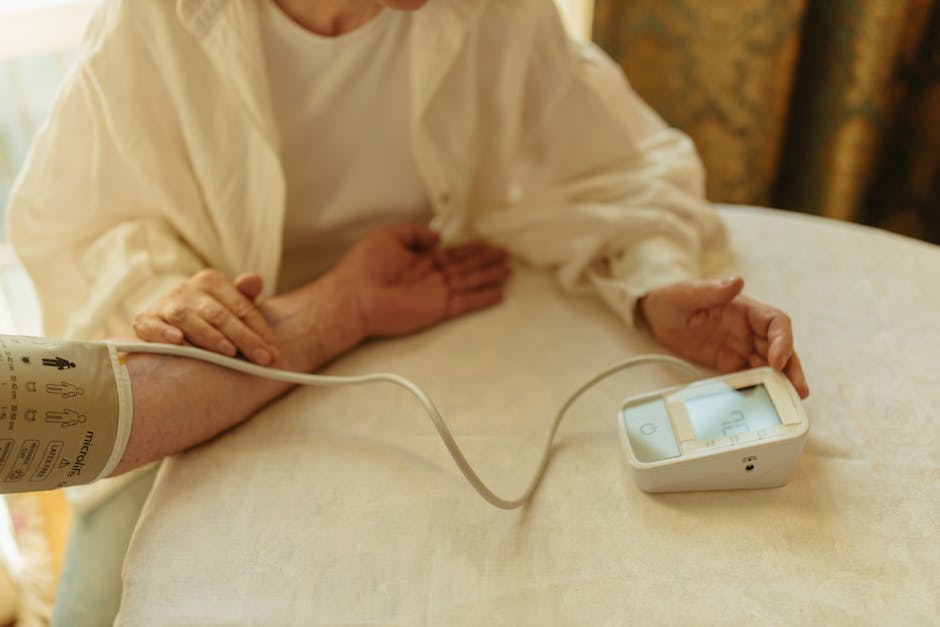
As we navigate the complexities of modern life, it’s not uncommon to find ourselves entangled in a web of stress and anxiety. The constant pressure to perform, the endless stream of notifications, and the perpetual din of distractions can all take a toll on our physical and mental well-being. One of the most insidious effects of this chronic stress is the creeping rise of blood pressure, a silent killer that can have devastating consequences if left unchecked. But what if I told you that there’s a powerful tool, rooted in ancient Vedic wisdom, that can help you naturally lower your blood pressure and cultivate a deeper sense of calm and clarity? This tool is called pranayama, and it’s a practice that has been revered for centuries in the East.
Pranayama, which roughly translates to “life force extension” or “breath control,” is a set of techniques that harness the power of the breath to balance and harmonize the body, mind, and spirit. In the Bhagavad Gita, also known as “The Divine Book,” Lord Krishna extols the virtues of pranayama as a means to still the mind and access higher states of consciousness. By practicing pranayama, we can learn to regulate our breath, calm our nervous system, and quiet the constant chatter of the mind. As the ancient sage, Patanjali, notes in the Yoga Sutras, “The breath is the bridge between the physical and subtle bodies.” By mastering the breath, we can begin to master our own inner world.
The Rhythm of Life
The concept of prana, or life force, is central to Vedic philosophy. Prana is often described as the vital energy that animates all living beings, a subtle force that flows through every cell and molecule of our bodies. When our prana is balanced and flowing freely, we feel alive, vibrant, and connected to the world around us. But when our prana is blocked or stagnant, we may experience feelings of fatigue, anxiety, or disconnection. The practice of pranayama helps to balance and regulate the flow of prana, allowing us to tap into our inner reservoir of energy and vitality. As the Puranas, ancient Hindu scriptures, describe it, prana is the “thread that weaves together the fabric of existence.”
In our modern Western society, we often overlook the importance of the breath in our daily lives. We breathe shallowly, quickly, and without much awareness, neglecting the profound impact that conscious breathing can have on our physical and mental health. By incorporating pranayama into our daily routine, we can begin to cultivate a deeper awareness of our breath and its role in shaping our overall well-being. This awareness can have a profound impact on our relationships, our work, and our overall sense of purpose and fulfillment. As the Bhagavad Gita so beautifully puts it, “The one who has controlled the mind and senses, and has realized the Self, is eligible to attain the state of supreme peace and liberation.”
Balancing the Body and Mind
So, how exactly does pranayama help to lower blood pressure naturally? The answer lies in the profound effect that conscious breathing has on our nervous system and cardiovascular health. When we practice pranayama, we stimulate the parasympathetic nervous system, which promotes relaxation, reduces stress, and slows down our heart rate. This, in turn, helps to lower blood pressure, reduce inflammation, and improve overall cardiovascular function. The slow, deep breathing practiced in pranayama also helps to increase oxygenation of the body, which can lead to a range of benefits, including reduced anxiety, improved mood, and enhanced cognitive function.
In addition to its physical benefits, pranayama also has a profound impact on our mental and emotional well-being. By calming the mind and soothing the nervous system, pranayama helps to reduce stress and anxiety, promoting a sense of calm and clarity that can stay with us long after our practice is over. This, in turn, can have a profound impact on our relationships, our work, and our overall sense of purpose and fulfillment. As the ancient Vedic sage, Adi Shankara, notes, “The mind is the root of all suffering, and the mind is also the root of all liberation.” By mastering the mind through pranayama, we can begin to unlock our full potential and live a life of greater purpose, passion, and joy.
Cultivating Inner Peace
As we navigate the challenges of modern life, it’s easy to get caught up in the external world and forget about the inner world of our own hearts and minds. But it’s precisely this inner world that holds the key to our true happiness and fulfillment. By practicing pranayama, we can begin to cultivate a deeper sense of inner peace, a sense of calm and clarity that stays with us no matter what challenges we may face. This inner peace is not something that can be found in external sources – it’s not something that can be bought or sold – but it’s something that can be cultivated through conscious practice and awareness.
As the Bhagavad Gita so beautifully puts it, “The one who has taken his birth, being determined by his own nature, is compelled by it to act; the Lord does not create the impulse to act, nor does He create the action, nor does He create the fruits of the action.” In other words, we are all driven by our own inner nature, our own unique set of tendencies and predispositions. But by cultivating awareness and practicing pranayama, we can begin to transcend these limitations and tap into our higher potential. We can begin to live a life that’s more authentic, more meaningful, and more fulfilling.
A Final Thought for the Day
As we close our eyes and take a deep breath in, let us remember that the power to transform our lives lies within us. Let us remember that the breath is the bridge between the physical and subtle bodies, and that by mastering the breath, we can begin to master our own inner world. Let us cultivate a deeper sense of inner peace, a sense of calm and clarity that stays with us no matter what challenges we may face. And let us always remember the wise words of the Bhagavad Gita, “The supreme Self is the ultimate reality, and it is the essence of all existence.” May we always walk in the light of this wisdom, and may our lives be filled with peace, love, and liberation.