
Listen to this Article:
The Ripple Effect of Mindful Parenting
As we navigate the complexities of modern life, it’s easy to get caught up in the whirlwind of parenting. We want the best for our children, but often find ourselves reacting to situations rather than responding with clarity and compassion. The ancient wisdom of the Vedas offers a profound approach to parenting, one that cultivates self-awareness, emotional intelligence, and a deeper connection with our children. In the Bhagavad Gita, the concept of “Ahimsa” or non-violence is not just about avoiding harm, but also about creating a nurturing environment that allows our children to thrive.
The Sanskrit term “Samskaras” refers to the impressions or conditioning that shape our thoughts, emotions, and behaviors. As parents, we have the unique opportunity to create positive Samskaras in our children, helping them develop a strong sense of self and a resilient approach to life. By embracing mindfulness and meditation, we can become more aware of our own Samskaras and create a more harmonious home environment.
Embracing Impermanence in Parenting
As we strive to be better parents, it’s essential to acknowledge the impermanence of life. Everything is constantly changing, including our children. They grow, learn, and evolve at an incredible pace, and our role as parents is to adapt and evolve alongside them. The Puranas tell the story of the great king, Dileepa, who was tasked with protecting his kingdom from a devastating drought. His solution was not to fight the drought, but to adapt and find new ways to nourish his land. Similarly, as parents, we must learn to adapt and respond to the ever-changing needs of our children.
By embracing impermanence, we can let go of our attachment to specific outcomes and expectations. We can allow our children to explore, make mistakes, and learn from their experiences. This doesn’t mean abandoning our responsibilities as parents, but rather trusting in the natural unfolding of life. As the Gita reminds us, “The greatest wealth is that which does not require us to be constantly active to maintain it.” By cultivating a sense of inner peace and detachment, we can create a more stable and loving environment for our children.
Cultivating Self-Awareness in Children
Self-awareness is the foundation of emotional intelligence, and it’s essential for our children to develop this skill from a young age. By teaching our children to observe their thoughts, emotions, and behaviors, we can help them become more aware of their inner world. The Sanskrit term “Atma” refers to the individual self or soul, and cultivating Atma awareness can help our children develop a deeper understanding of themselves.
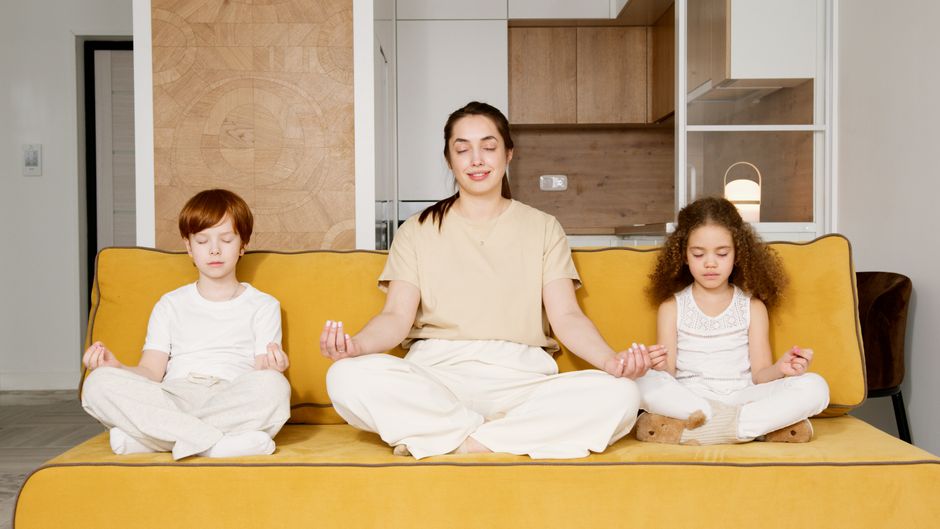
One way to cultivate self-awareness in children is through mindfulness practices such as meditation and deep breathing. By taking a few minutes each day to sit quietly and focus on the breath, our children can develop greater body awareness, calmness, and clarity. We can also encourage our children to express their emotions and thoughts, listening attentively to their experiences without judgment. By doing so, we can help them develop a stronger sense of self and a more compassionate relationship with themselves and others.
Embracing the Present Moment
As parents, we often find ourselves caught up in worries about the future or regrets about the past. However, the present moment is all we truly have. By embracing the here and now, we can respond to our children’s needs with greater clarity and compassion. The Gita reminds us that “The one who is rooted in the present, with a steady mind, is fit to attain the Supreme.”
In the midst of chaos, it’s easy to get caught up in distractions and lose sight of what’s truly important. By taking a few deep breaths and bringing our attention to the present moment, we can reconnect with our children and respond to their needs with greater awareness. This doesn’t mean ignoring the future or neglecting our responsibilities, but rather trusting that the present moment holds all the wisdom we need.
Parenting as a Spiritual Practice
Parenting is not just about raising children; it’s also an opportunity for spiritual growth and self-realization. As we navigate the complexities of parenting, we can cultivate greater self-awareness, compassion, and wisdom. The Puranas tell the story of the great sage, Narada, who was known for his extraordinary wisdom and compassion. When asked about the secret to his wisdom, Narada replied that it was his children who had taught him the most about life.
By embracing parenting as a spiritual practice, we can transform our relationships with our children and with ourselves. We can cultivate a sense of gratitude, wonder, and awe, and help our children develop these qualities as well. As we strive to become more mindful, compassionate, and self-aware, we can create a more harmonious and loving home environment.
A Final Thought for the Day
As we reflect on the art of mindful parenting, let’s remember that it’s a journey, not a destination. It’s a path that requires patience, compassion, and self-awareness, but one that offers profound rewards. As we strive to cultivate greater mindfulness and meditation in our daily lives, let’s also remember to be gentle with ourselves and our children. We are all doing the best we can, and that’s something to be celebrated. As the Gita reminds us, “The journey of a thousand miles begins with a single step.” Take a deep breath, and let’s begin this journey together, one mindful step at a time.