
Listen to this Article:
The Call of the Chalisa
In the stillness of the morning, or perhaps during a chaotic evening commute, you may have stumbled upon a gentle, rhythmic chant – the Chalisa. This ancient Hindu prayer, often recited in devotion to Lord Hanuman, has been a source of solace and strength for millions across the Indian subcontinent. As a seeker of truth and a wanderer on the path of self-discovery, I’m drawn to the Chalisa’s profound simplicity and its capacity to awaken a deeper sense of connection within us.
The Chalisa, a 40-verse prayer, is more than a devotional hymn; it’s an expression of the human longing for guidance, protection, and enlightenment. Its origins, much like the Vedas themselves, are rooted in the mystical and the mythological, yet its appeal transcends cultural and temporal boundaries. As we navigate the complexities of modern life, with its attendant anxieties and uncertainties, the Chalisa offers a refuge – a quiet space to breathe, reflect, and renew.
Understanding the Heart of the Chalisa
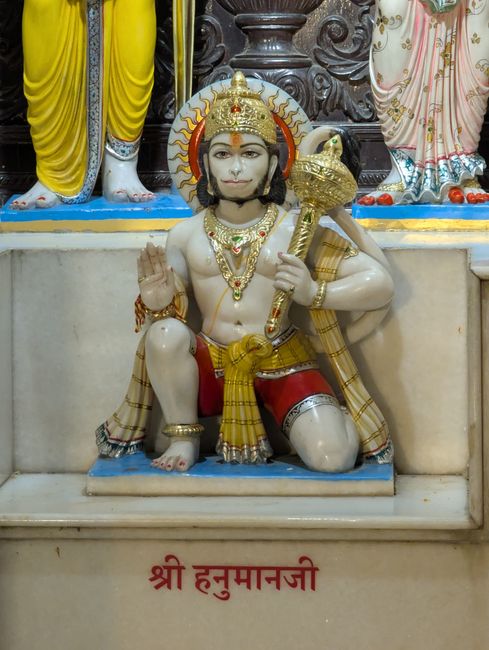
At its core, the Chalisa is an invocation to Lord Hanuman, the revered monkey god, known for his unwavering loyalty, courage, and wisdom. Hanuman’s story, woven into the fabric of the Ramayana, speaks to the eternal struggle between light and darkness, duty and desire. When we recite the Chalisa, we’re not merely uttering words; we’re aligning ourselves with a tradition that values selfless service, humility, and the pursuit of spiritual knowledge.
Sanskrit terms like ‘bhakti’ (devotion) and ‘surrender’ might seem abstract, but they convey a profound sense of letting go – of our ego, our fears, and our limited understanding. In the context of the Chalisa, ‘bhakti’ is the thread that weaves our individual selves into a larger narrative of love and devotion. As we recite the Chalisa, we’re embracing this very notion – that our lives are part of a greater, interconnected whole.
The Resonance of the Chalisa in Modern Life
In a world that often prizes productivity over presence, the Chalisa offers a gentle reminder of the importance of mindfulness. As we navigate the challenges of our professional lives, it’s easy to get caught up in the maelstrom of deadlines, meetings, and performance metrics. Yet, in the stillness of our minds, a different kind of intelligence resides – one that is intuitive, creative, and guided by a deeper sense of purpose.
The Bhagavad Gita, ‘The Divine Book’ of Hindu scripture, speaks to this very paradox. In its timeless wisdom, we’re encouraged to engage with the world, yet remain detached from its outcomes. This paradoxical stance – of being engaged, yet unattached – is at the heart of the Chalisa’s power. As we recite its verses, we’re cultivating a sense of inner equanimity, one that allows us to respond to life’s challenges with greater clarity and compassion.
A Bridge Between Worlds
The Chalisa, like the Puranas, is a text that bridges the mythological and the mundane. Its stories, though ancient, are timeless – speaking to fundamental human concerns: love, loss, duty, and the search for meaning. As we immerse ourselves in its verses, we’re reminded that the sacred and the secular are not mutually exclusive; they’re intertwined aspects of a richer, more vibrant reality.
In our daily lives, we often compartmentalize our experiences – relegating the spiritual to a separate, often neglected, realm. The Chalisa invites us to transcend these artificial boundaries, recognizing that every moment holds the potential for spiritual growth and transformation.
Embracing the Chalisa as a Way of Life
The act of reciting the Chalisa is, in itself, a form of meditation. As we immerse ourselves in its rhythms and cadences, we’re quieting the mind, focusing our attention, and tuning into a deeper frequency. This practice, though simple, has profound implications for our well-being – reducing stress, increasing focus, and nurturing a sense of inner peace.
The Chalisa is not merely a prayer; it’s a way of being – one that integrates devotion, self-inquiry, and service. As we incorporate its principles into our daily lives, we’re cultivating a more compassionate, more mindful, and more awakened approach to living.
A Final Thought for the Day
As you go about your day, I invite you to carry the Chalisa with you – not as a text, but as a presence. Allow its verses to whisper guidance, comfort, and inspiration. May its spirit of devotion, humility, and selflessness infuse your interactions, your relationships, and your inner world. And when the chaos of life arises, as it inevitably will, may the Chalisa’s gentle wisdom be a source of solace, reminding you of the peace that resides within – a peace that is always available, always present, and always waiting to be discovered.