
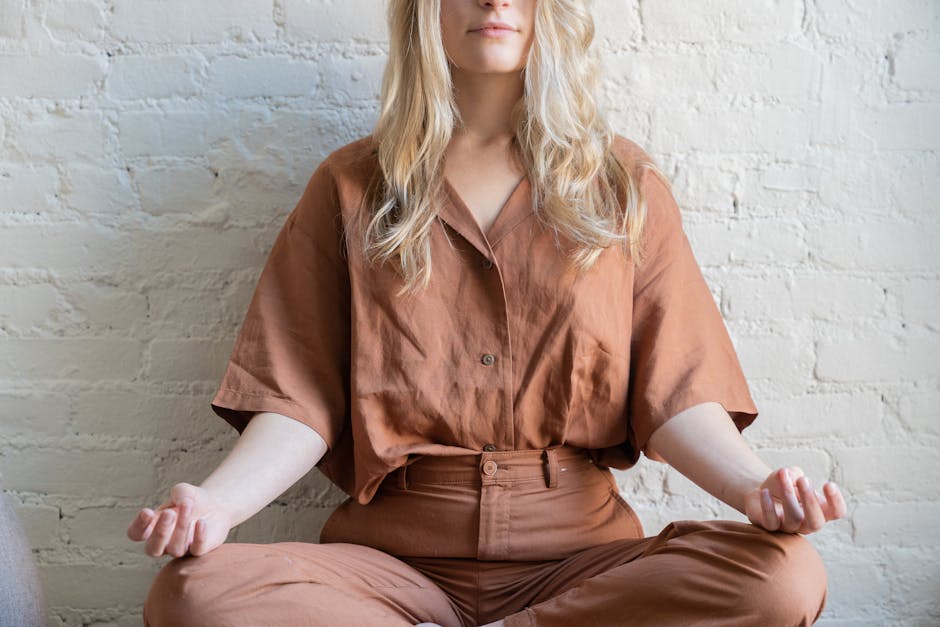

As we navigate the complexities of modern life, it’s easy to feel overwhelmed and disconnected from our inner selves. Many of us are seeking ways to cultivate greater calm, clarity, and fulfillment, and meditation has become an increasingly popular solution. With so many different types of meditation practices available, it can be difficult to know where to start or which approach is right for us.
In recent years, mindfulness and Vedic meditation have gained significant attention, but what sets them apart, and how can we choose the practice that best suits our needs and goals?
By exploring the principles and benefits of each practice, we can gain a deeper understanding of their unique characteristics and make informed decisions about our meditation journey.
Understanding the Difference
The primary difference between mindfulness and Vedic meditation lies in their approach and goals. Mindfulness meditation focuses on cultivating present-moment awareness, often through attention to the breath or body sensations.
Vedic meditation, on the other hand, involves the use of a mantra to quiet the mind and access deeper states of consciousness.
Key characteristics of each practice include:
- Focus: mindfulness focuses on the present moment, while Vedic meditation explores the depths of consciousness
- Technique: mindfulness often involves attention to the breath or body, while Vedic meditation uses a mantra
- Goals: mindfulness aims to reduce stress and increase awareness, while Vedic meditation seeks to access higher states of consciousness and promote spiritual growth
- Reduced stress and anxiety
- Improved sleep quality
- Increased focus and concentration
- Enhanced emotional regulation
- Boosted immune function
- The idea that the universe is an interconnected, undivided whole
- The concept of karma, or the law of cause and effect
- The importance of living in harmony with nature and the natural world
- The importance of finding a meditation practice that works for you and your lifestyle
- The benefits of regular, consistent practice
- The potential for meditation to have a positive impact on all areas of life
- Find a qualified teacher or instructor who can guide you in the practice
- Set aside a regular time and space for meditation
- Start with short, daily sessions and gradually increase your practice as you become more comfortable with the technique
- What is the best way to learn Vedic meditation?
- How often should I practice Vedic meditation?
- What are the benefits of Vedic meditation for physical health?
The Science Behind Meditation
Research has shown that both mindfulness and Vedic meditation can have a positive impact on our physical and mental well-being. Some of the benefits of meditation include:
The science behind meditation is complex, but some key findings include:
* Changes in brain structure and function, particularly in areas related to attention and emotional regulation
* Decreases in stress hormones, such as cortisol, and increases in feel-good hormones, such as serotonin and dopamine
* Improved cardiovascular health, including lower blood pressure and reduced inflammation
The Vedic Perspective
In the Vedic tradition, meditation is seen as a means of accessing higher states of consciousness and realizing our full human potential. The use of a mantra is believed to help quiet the mind and access the deeper, more subtle levels of consciousness.
The Vedic approach to meditation is rooted in the idea that the universe is governed by a set of natural laws and principles, and that by aligning ourselves with these laws, we can experience greater harmony, balance, and fulfillment.
Some key principles of the Vedic perspective include:
Real Life Case Study
One example of the benefits of Vedic meditation is the story of a busy working mother who was struggling to manage her stress and anxiety. After learning Vedic meditation, she reported feeling more calm and centered, and was better able to handle the demands of her work and family life.
She also noticed improvements in her relationships and overall sense of well-being.
Some key takeaways from this case study include:
Your Action Plan
If you’re interested in trying Vedic meditation, here are some steps you can take:
It’s also important to be patient and compassionate with yourself as you develop your meditation practice.
Remember that it’s a journey, and it’s okay to take things one step at a time.
Final Thoughts
In conclusion, while both mindfulness and Vedic meditation can be powerful tools for reducing stress and increasing awareness, they have distinct approaches and goals.
By understanding the unique characteristics of each practice, we can make informed decisions about which approach is right for us.
Ultimately, the key to experiencing the benefits of meditation is to find a practice that resonates with you and to commit to regular, consistent practice.
Common Questions
Some common questions about Vedic meditation include:
One complex sub-topic that we haven’t explored in depth is the relationship between Vedic meditation and the concept of ayurveda, or traditional Indian medicine.
Q: The Connection Between Vedic Meditation and Ayurveda?
(Click to explore our detailed guide on this topic)
This topic is complex and multifaceted, but in brief, ayurveda is a holistic system of medicine that emphasizes the importance of balance and harmony in all aspects of life, and Vedic meditation can be seen as a key component of this approach.
Other topics we haven’t explored include the use of Vedic meditation in therapeutic settings, and the potential benefits of Vedic meditation for mental health.