
Listen to this Article:
In the Realm of Time and Karma
As we navigate the complexities of our modern lives, it’s easy to get caught up in the chaos of daily responsibilities, relationships, and the pursuit of success. Yet, there exists a subtle, cosmic rhythm that weaves in and out of our lives, influencing our experiences and shaping our destinies. This is the realm of Saturn Return Astrology, a phenomenon that has been observed and revered by ancient cultures, including the Vedic tradition. In 2026, many of us will be facing our Saturn Return, a period of profound transformation and self-discovery.
In the Bhagavad Gita, also known as ‘The Divine Book’, Lord Krishna speaks of the three gunas, or qualities, that govern the universe: sattva, rajas, and tamas. These gunas are not just abstract concepts, but living, breathing forces that shape our experiences and perceptions. As we approach our Saturn Return, we may find ourselves oscillating between these gunas, sometimes feeling the calm, reflective nature of sattva, while at other times being swept away by the turbulent, passionate energies of rajas. The key, as Krishna teaches, is to cultivate a sense of detachment, or vairagya, allowing us to observe our experiences without becoming overly identified with them.
The term ‘vairagya’ can be translated to mean ‘non-attachment’ or ‘equanimity’. It’s not about rejecting the world or our experiences, but rather about cultivating a sense of inner peace and clarity, even in the midst of chaos. As we navigate the challenges of our Saturn Return, this quality will become increasingly important, allowing us to stay grounded and focused on our deepest intentions. The Puranas, ancient Vedic texts that contain stories and teachings of the gods and goddesses, also speak of the importance of vairagya in times of great change and transformation.
The Cycle of Time and the Saturn Return
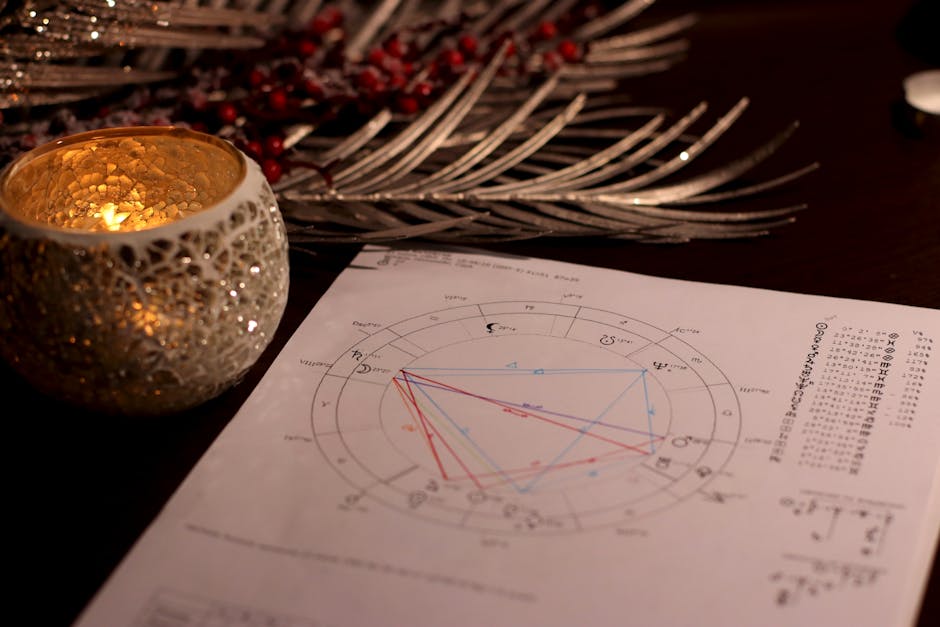
In Vedic astrology, Saturn is known as Shani, the planet of discipline, responsibility, and time. Its cycle is approximately 29.5 years, which is why the Saturn Return typically occurs around the ages of 29, 58, and 87. During this period, Saturn returns to the same position it occupied at the time of our birth, prompting a review of our lives, our choices, and our direction. It’s a time of reckoning, when we’re called to confront our fears, our weaknesses, and our deepest desires.
As the Bhagavad Gita teaches, our lives are not just a series of random events, but are instead connected to our past actions, or karma. The concept of karma is often misunderstood in the West, but in the Vedic tradition, it refers to the idea that our actions have consequences, not just in this life, but across multiple lifetimes. The Saturn Return is a time when our karma comes due, when we’re forced to confront the results of our past choices and actions. This can be a challenging and intense experience, but it’s also a profound opportunity for growth, transformation, and liberation.
The term ‘karma’ is often translated to mean ‘action’ or ‘deed’, but it’s more nuanced than that. Karma refers to the intricate web of cause and effect that governs our lives, a web that’s woven from our thoughts, words, and actions. As we approach our Saturn Return, we may find ourselves reflecting on our past, wondering how we ended up where we are today. This is a natural process, and one that can help us to clarify our values, our passions, and our sense of purpose.
Navigating the Challenges of the Saturn Return
So, how can we navigate the challenges of the Saturn Return? How can we use this period of transformation to our advantage, rather than getting caught up in the turmoil and uncertainty? The first step is to cultivate a sense of self-awareness, to develop a deeper understanding of our motivations, our fears, and our desires. This is a time for introspection, for looking within and exploring our inner world.
In the Vedic tradition, this process is known as ‘atma-vichara’, or self-inquiry. It’s a practice of asking ourselves questions, of exploring our thoughts, emotions, and actions, and of seeking to understand our place in the world. As we engage in atma-vichara, we may find ourselves confronting our shadow, the parts of ourselves that we’ve tried to keep hidden or suppressed. This can be a difficult and painful process, but it’s also a necessary one, for it allows us to integrate our fragmented selves and to become more whole and complete.
The term ‘atma-vichara’ can be translated to mean ‘self-reflection’ or ‘self-examination’. It’s a practice that’s essential for our growth and transformation, allowing us to develop a deeper understanding of ourselves and our place in the world. As we navigate the challenges of our Saturn Return, atma-vichara can help us to stay grounded and focused, even in the midst of chaos and uncertainty.
Embracing the Unknown and the Mystical
As we journey through the Saturn Return, we may find ourselves encountering the unknown, the mystical, and the mysterious. This can be a challenging and disorienting experience, but it’s also a profound opportunity for growth and transformation. The Vedic tradition teaches us to approach the unknown with reverence and awe, to recognize the magic and wonder that’s woven into the fabric of our lives.
In the Bhagavad Gita, Lord Krishna speaks of the importance of faith, or shraddha, in times of uncertainty and doubt. Shraddha is not just about believing in something, but rather about cultivating a sense of trust and devotion. As we navigate the challenges of our Saturn Return, we may find ourselves questioning our beliefs, our values, and our sense of purpose. This is a natural process, and one that can help us to develop a deeper sense of faith and trust, not just in ourselves, but in the universe and its plan.
The term ‘shraddha’ can be translated to mean ‘faith’ or ‘trust’, but it’s more nuanced than that. Shraddha refers to the sense of devotion and surrender that allows us to let go of our ego and our limitations, and to trust in the wisdom and guidance of the universe. As we approach our Saturn Return, we may find ourselves feeling a sense of disorientation and uncertainty, but with shraddha, we can cultivate a sense of peace and clarity, even in the midst of chaos.
A Final Thought for the Day
As we navigate the complexities of our Saturn Return, it’s essential to remember that we’re not alone. We’re part of a larger web of life, a web that’s connected to the cosmos, to the natural world, and to each other. The Vedic tradition teaches us to approach life with a sense of reverence, awe, and wonder, to recognize the magic and mystery that’s woven into every moment.
As the Bhagavad Gita teaches, our lives are a journey, not a destination. The Saturn Return is a significant milestone on this journey, a time of transformation, growth, and liberation. As we walk this path, may we cultivate a sense of faith, trust, and devotion, and may we remember to approach the unknown with reverence and awe. May we emerge from this period of transformation with a deeper sense of purpose, passion, and fulfillment, and may we radiate love, light, and wisdom into the world.
META: [SEO Summary] Saturn Return Astrology 2026: A time of transformation and self-discovery, the Saturn Return is a cosmic event that can help us to clarify our values, passions, and sense of purpose. By cultivating a sense of self-awareness, faith, and devotion, we can navigate the challenges of this period and emerge stronger, wiser, and more radiant. With its roots in Vedic astrology and spirituality, the Saturn Return offers a profound opportunity for growth, transformation, and liberation, and is an essential aspect of our journey towards fulfillment and enlightenment.