
Listen to this Article:
A Time of Reckoning
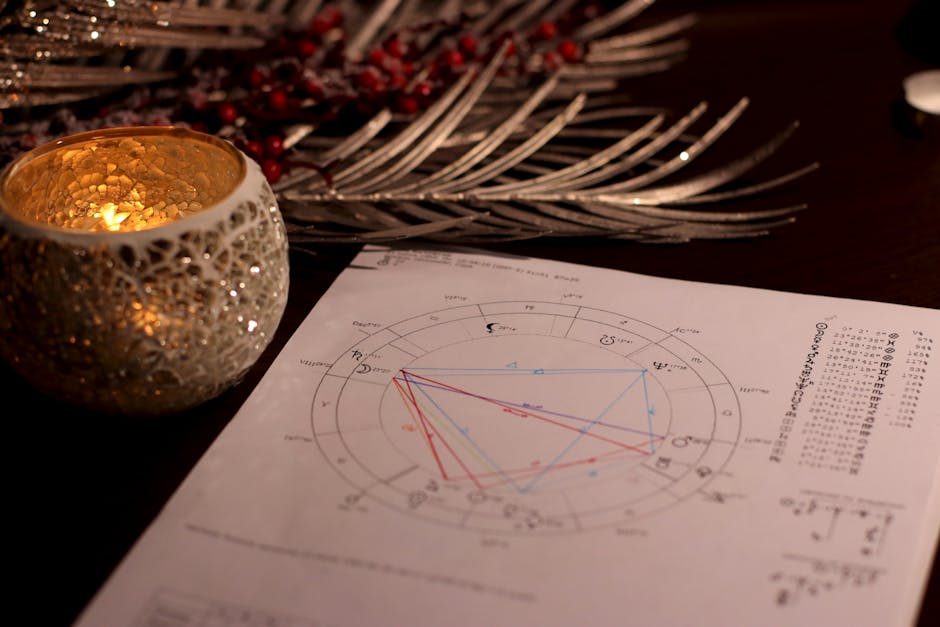
As we step into the realm of Saturn Return Astrology in 2026, we find ourselves at a crossroads, where the celestial rhythms whisper secrets of transformation and renewal. The air is thick with anticipation, like the moments before a summer storm, when the winds carry the promise of change. It’s as if the universe is nudging us, gently yet firmly, to awaken to the depths of our own souls. This phenomenon, known as Saturn Return, occurs when the planet Saturn completes its approximately 29.5-year orbit around the sun, returning to the exact position it held at the time of our birth. It’s a moment of reckoning, a time to confront our deepest fears, desires, and aspirations.
The ancient Vedic sages, in their profound wisdom, understood the workings of the universe and the human heart. They spoke of the concept of samskara, the deep-seated impressions and tendencies that shape our thoughts, words, and actions. These samskaras are like the grooves on a vinyl record, playing the same melodies over and over, until we consciously choose to change the tune. The Bhagavad Gita, that timeless Divine Book, reminds us that we are not just passive recipients of our circumstances, but active co-creators, capable of rewriting our own destiny. As Lord Krishna says, “You have the right to work, but for the work’s sake only. You have no right to the fruits of work.” This wisdom encourages us to let go of our attachment to specific outcomes and instead focus on the process, allowing us to flow like a river, ever-changing and ever-constant.
The Weight of Karma
As SaturnReturn approaches, the weight of our past actions, or karma, begins to bear down upon us. This is not to say that we are being punished or rewarded, but rather that the universe is presenting us with an opportunity to settle old scores, to reconcile our debts, and to make amends. The Puranas, those ancient repositories of myth and wisdom, tell us that our karma is like a seed that we have sown, and now it’s time to reap the harvest. This can be a daunting prospect, like standing before a vast, uncharted forest, unsure of the path ahead. Yet, it’s in these moments of uncertainty that we discover our greatest strengths, like a lotus flower blooming in the muddiest of waters. The lotus, a symbol of spiritual growth in Vedic tradition, reminds us that we can rise above our challenges, untainted and unsoiled.
In the stillness of the night, when the world outside is hushed, and our minds are quiet, we can hear the whispers of our own hearts. It’s here that we must listen, for it’s in the depths of our own being that we’ll find the courage to confront our karma, to let go of the burdens that weigh us down, and to emerge anew, like a phoenix from the ashes. The practice of svadhyaya, or self-reflection, is essential in this process, allowing us to examine our thoughts, emotions, and actions, and to discern our true intentions. By cultivating self-awareness, we can begin to release the patterns and habits that no longer serve us, and instead, align ourselves with our highest potential.
The Dance of Shiva
The Vedic tradition tells us of the cosmic dance of Shiva, the destroyer of illusions, who dances with wild abandon, destroying the old to make way for the new. This dance is like a powerful storm that sweeps through our lives, clearing away the debris, and revealing the beauty that lies beneath. As we navigate the Saturn Return, we’re invited to join in this dance, to let go of our attachments, our fears, and our doubts, and to surrender to the rhythm of life. The concept of ishvara pranidhana, or surrender to a higher power, can be a powerful tool in this process, allowing us to release our ego’s need for control and instead, trust in the natural unfolding of life.
In the midst of chaos, when our lives seem to be spinning out of control, we can find solace in the wisdom of the Bhagavad Gita. Lord Krishna reminds us that we are not just individuals, but part of a larger web of life, connected to all beings, and to the universe itself. This understanding can bring a sense of peace, like a calm lake on a windless day, and guide us through the turbulent waters of Saturn Return. The practice of pratipaksha bhavana, or cultivating the opposite thought, can also be helpful, allowing us to reframe our challenges as opportunities for growth and transformation.
A New Chapter Unfolds
As the Saturn Return reaches its peak, we’re presented with a choice: to continue down the path of familiarity, or to embark on a new journey, one that’s fraught with uncertainty, yet filled with promise. It’s like standing at the threshold of a new chapter in our lives, with the pages waiting to be written. The Puranas tell us that our lives are like a great epic, with each chapter building upon the last, and each sentence leading us closer to our ultimate destiny. The concept of dharma, or righteous living, can guide us in this process, reminding us to align our actions with our values and principles, and to live in harmony with the world around us.
In the stillness of the night, as we look up at the starry sky, we can feel the vastness of the universe, and the tiny, yet significant, place we occupy within it. It’s here that we can find the courage to take the leap, to write the next chapter of our lives, and to embark on the adventure that awaits us. The practice of japa, or mantra repetition, can be a powerful tool in this process, allowing us to focus our minds and calm our hearts, as we navigate the uncharted territories of our own potential.
A Final Thought for the Day
As the sun sets on another day, casting a golden glow over our lives, we’re reminded that the Saturn Return is not just an astrological event, but a call to awakening, a chance to reclaim our lives, and to rediscover our deepest truths. May we approach this moment with an open heart, a willingness to let go, and a courage to embark on the unknown. May we remember that we’re not alone, that we’re part of a larger community, connected by our shared human experience. And may we find the wisdom to navigate the complexities of our lives, with the guidance of the ancient Vedic tradition, and the wisdom of our own hearts. As we embark on this journey, may we keep in mind the words of the Bhagavad Gita, “The one who has controlled the mind, and senses, and has realized the Self, is eligible to attain the state of supreme peace and liberation.” May we strive to attain this state, and may we find peace, liberation, and fulfillment on our journey.