
Listen to this Article:
A Celestial Call to Awakening
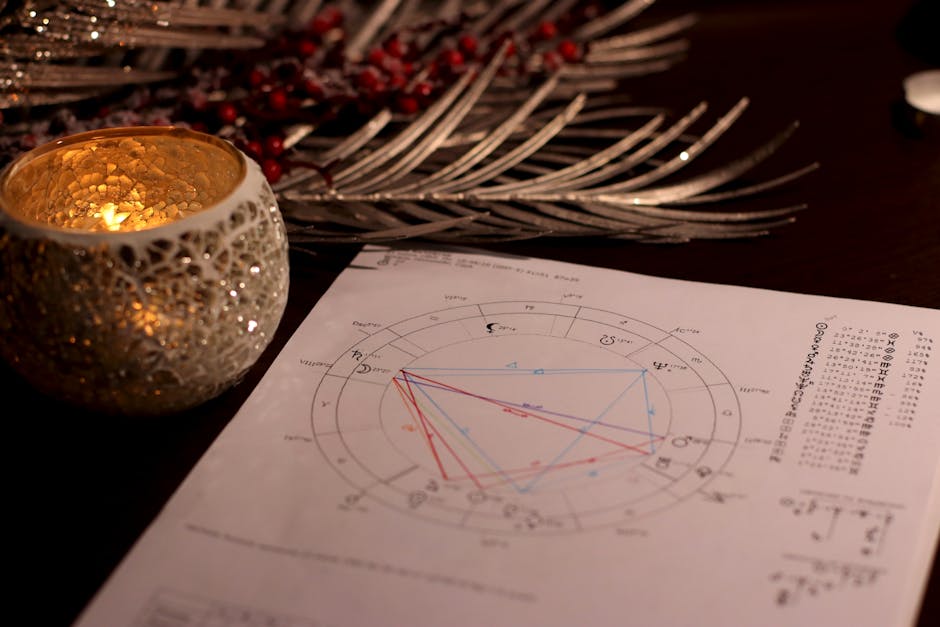
As we navigate the complexities of modern life, it’s easy to get lost in the chaos of our daily routines. Our careers, relationships, and personal struggles can often leave us feeling anxious, unfulfilled, and uncertain about our place in the world. Yet, amidst this turmoil, the universe offers us a profound opportunity for growth and transformation. In 2026, the Saturn Return Astrology takes center stage, beckoning us to re-examine our values, reassess our priorities, and reconnect with our deepest selves. This celestial event is a call to awakening, a chance to rediscover our purpose and align with the wisdom of the ages.
In the ancient Vedic tradition, the Bhagavad Gita, or “The Divine Book,” reminds us that we are not just physical beings, but also spiritual entities, connected to the cosmos and the divine. The Gita teaches us about the concept of “dharma,” or our sacred duty, which is to live in harmony with the universe and fulfill our unique purpose. As we approach the Saturn Return, we are invited to reflect on our dharma, to consider whether our actions, thoughts, and intentions are aligned with our highest potential. The Sanskrit term “svadharma” refers to our individual duty, our personal path to fulfillment, which is intertwined with the greater good.
The Puranas, ancient Indian texts, offer insights into the mystical realm of astrology and the workings of the universe. They speak of the planets as celestial beings, each with its own distinct energy and influence on human affairs. Saturn, or “Shani” in Sanskrit, is often associated with discipline, responsibility, and spiritual growth. During the Saturn Return, Shani’s energies intensify, prompting us to confront our fears, limitations, and unresolved issues. This is a time for radical honesty, self-reflection, and personal responsibility, as we are called to acknowledge and release the patterns, habits, and relationships that no longer serve us.
The Dance of Karma and Free Will
As we navigate the Saturn Return, we may feel the weight of our past actions, the accumulated karma that has brought us to this moment. Karma, or “action” in Sanskrit, refers to the universal principle of cause and effect, where every decision, thought, and deed sets into motion a chain of consequences. The Bhagavad Gita reminds us that we have the power to shape our own destiny, to choose our path and create our own future. This is the interplay between karma and free will, where our past actions influence our present circumstances, yet we retain the capacity to make new choices, to forge a different trajectory.
The Saturn Return is a time to acknowledge our past mistakes, to learn from our experiences, and to make amends when necessary. It’s an opportunity to break free from the cycles of karma that have held us back, to release the burdens of guilt, shame, and regret. As we take responsibility for our actions, we begin to understand the concept of “ahimsa,” or non-harming, which is central to the Vedic tradition. Ahimsa is not just a moral principle, but a way of being, a way of living that honors the interconnectedness of all life. By embracing ahimsa, we cultivate compassion, empathy, and self-awareness, allowing us to navigate the complexities of human relationships with greater ease and understanding.
The Wisdom of the Heart
In the midst of chaos and uncertainty, the Saturn Return invites us to listen to the wisdom of our hearts. The heart, or “hrdaya” in Sanskrit, is the seat of intuition, compassion, and wisdom. It is the bridge between our rational, thinking mind and our deeper, spiritual nature. The Bhagavad Gita reminds us that the heart is the gateway to the divine, the portal to the infinite and the eternal. As we tune into the wisdom of our hearts, we begin to discern our deepest desires, our values, and our passions.
The Saturn Return is a time to re-evaluate our priorities, to ask ourselves what truly matters in our lives. What are our non-negotiables? What brings us joy, fulfillment, and a sense of purpose? As we listen to the wisdom of our hearts, we may discover that our desires, values, and passions have shifted, that our priorities have changed. This is a natural part of growth, a sign that we are evolving, that we are becoming more authentic, more whole. The Sanskrit term “satyam” refers to truth, to the authentic expression of our being. As we embody satyam, we become more transparent, more honest, and more vulnerable, allowing us to form deeper connections with others and with ourselves.
Embracing the Mystery
As we navigate the Saturn Return, we are reminded that life is a mystery, a grand adventure that unfolds in unexpected ways. The universe is full of surprises, twists, and turns, and our plans, no matter how carefully laid, can go awry. The Bhagavad Gita teaches us about the concept of “ishvara pranidhana,” or surrender to the divine. This is not a passive surrender, but an active recognition of our place within the larger scheme of things. As we surrender to the mystery, we begin to trust in the wisdom of the universe, to have faith in the unfolding of our lives.
The Saturn Return is a call to trust, to have faith in the unknown, and to embrace the uncertainty that lies ahead. It’s an invitation to let go of our need for control, to release our attachment to specific outcomes, and to surrender to the present moment. As we embark on this journey, we may feel a sense of trepidation, of fear, or of anxiety. Yet, it’s precisely in these moments that we can discover our deepest strength, our resilience, and our capacity for growth. The Sanskrit term “abhaya” refers to fearlessness, to the courage to face our fears, to confront our limitations, and to step into the unknown.
A Final Thought for the Day
As the Saturn Return Astrology 2026 approaches, we are reminded that our lives are not just our own, but are interconnected with the lives of all beings. We are part of a larger web of relationships, a complex network of energies, and influences that shape our experiences. As we navigate this celestial event, we are called to cultivate awareness, compassion, and wisdom. We are invited to listen to the wisdom of our hearts, to trust in the mystery, and to surrender to the divine. In the words of the Bhagavad Gita, “The one who has taken his birth, being born, will also die. This is inevitable. But the one who has died, will also be reborn. This is the eternal truth.” May we embark on this journey with courage, with faith, and with an open heart, knowing that we are not alone, but are part of a greater whole, connected to the universe, and to each other.