
Listen to this Article:
A Time of Great Transformation
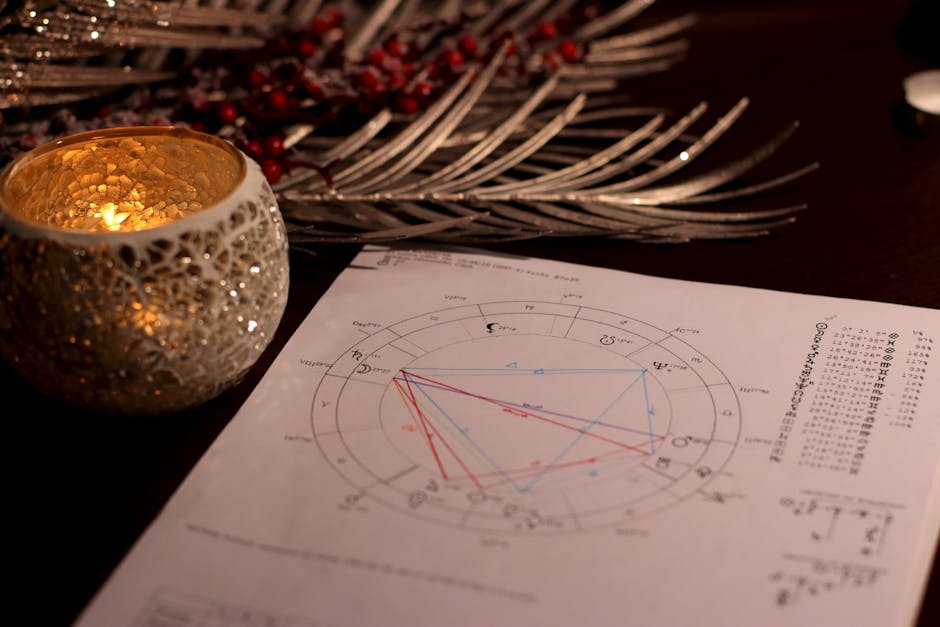
As we journey through the complexities of life, we often find ourselves at crossroads, unsure of the path ahead. For many of us, the year 2026 will mark a significant turning point, as we experience the phenomenon known as the Saturn Return. This astrological event occurs when the planet Saturn completes one full orbit around the sun, returning to the exact position it was in at the time of our birth. It’s a time of great transformation, a moment when the universe invites us to re-examine our lives, our choices, and our very sense of self.
In the ancient Vedic tradition, Saturn is known as Shani, a planet associated with discipline, responsibility, and spiritual growth. The word “Shani” itself is derived from the Sanskrit word “shanaischara,” which means “slow mover.” This slow and deliberate movement is a reminder that our spiritual journey is not a hasty one, but rather a gradual unfolding of our deepest potential. As the Bhagavad Gita reminds us, “The one who has controlled the mind and senses, and has realized the Self, is eligible to attain the state of supreme peace and liberation.”
As we approach our Saturn Return, we may feel a sense of anxiety, uncertainty, and even fear. Our careers, relationships, and daily routines may be put to the test, as we’re forced to confront the parts of ourselves that we’ve been neglecting or avoiding. This is a natural process, one that allows us to shed old skin and emerge anew, like the phoenix from the ashes. In the words of the great sage, Narada, from the Puranas, “The wise one, having abandoned all attachments, realizes the Self and becomes one with the ultimate reality.”
Embracing the Shadow
The Saturn Return is a time when our shadow self emerges, revealing the parts of ourselves that we’ve kept hidden, even from our own awareness. This can be a painful and uncomfortable process, but it’s also a necessary one, for it allows us to integrate our fragmented selves and become whole once more. The word “shadow” itself is not a Vedic term, but the concept is well understood in the ancient tradition. In Sanskrit, the word “avidya” refers to ignorance or unawareness, and it’s this lack of awareness that gives rise to our shadow self.
As we navigate the challenges of our Saturn Return, we must learn to embrace our shadow, rather than trying to suppress or deny it. This requires great courage and self-awareness, but the reward is well worth the effort. By acknowledging and accepting our shadow, we can begin to heal old wounds, release outdated patterns, and discover new aspects of ourselves. As the Bhagavad Gita teaches us, “The one who has realized the Self, is not affected by the dualities of life, such as pleasure and pain, happiness and sorrow.”
The Dance of Karma
The Saturn Return is also a time when our karma, or past actions, come back to haunt us. The word “karma” itself means “action” or “deed,” and it refers to the idea that every action, thought, and intention has consequences. In the Vedic tradition, karma is seen as a natural law, one that governs the universe and guides our spiritual evolution. As we experience the Saturn Return, we may find ourselves facing the consequences of our past choices, and this can be a difficult and humbling experience.
However, it’s essential to remember that karma is not a punishment, but rather an opportunity for growth and liberation. By acknowledging and accepting our karma, we can begin to release the patterns and habits that have held us back, and embark on a new path, one that’s guided by wisdom, compassion, and self-awareness. As the Puranas remind us, “The wise one, having realized the Self, is not bound by the cycles of karma, and attains the state of supreme liberation.”
A Time for Self-Reflection
The Saturn Return is a time for self-reflection, a time to look deeply within ourselves and examine our values, our goals, and our sense of purpose. It’s a time to ask ourselves questions, such as “What am I truly seeking in life?” “What are my deepest desires and aspirations?” and “What kind of person do I want to become?” This process of self-reflection is essential, for it allows us to clarify our intentions, align with our deepest values, and make conscious choices that support our spiritual growth.
In the Vedic tradition, this process of self-reflection is known as “atma-vichara,” or self-inquiry. It’s a powerful tool for spiritual growth, one that allows us to penetrate the depths of our own consciousness and realize our true nature. As the Bhagavad Gita teaches us, “The one who has realized the Self, through self-inquiry, is eligible to attain the state of supreme peace and liberation.”
A Final Thought for the Day
As we navigate the challenges and opportunities of our Saturn Return, let us remember that we’re not alone on this journey. We’re part of a larger universe, a universe that’s guided by natural laws and principles. We’re also part of a long lineage of spiritual seekers, who have walked this path before us, and have left behind a wealth of wisdom and guidance. Let us draw upon this wisdom, and use it to inform our choices, our actions, and our intentions. Let us remember that our Saturn Return is not just a astrological event, but a spiritual opportunity, one that invites us to deepen our understanding of ourselves, and our place in the universe. As the great sage, Krishna, reminds us in the Bhagavad Gita, “The one who has realized the Self, is always at peace, and is never disturbed by the dualities of life.” May we all find peace, wisdom, and liberation on our journey through the Saturn Return.