
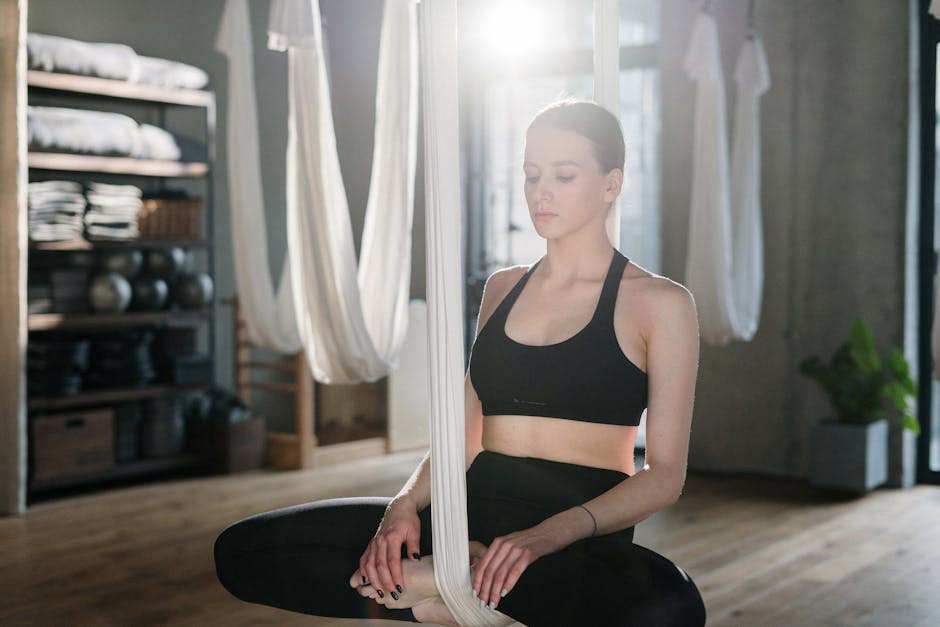

In a world filled with chaos and stress, it’s easy to get lost in the midst of it all, feeling overwhelmed and helpless. Many people turn to anti-depressants to find solace, but what if there was a more natural way to heal and find peace? The ancient practice of meditation has been used for centuries to calm the mind, soothe the body, and connect with the spirit.
The Short Answer
Meditation can be a powerful tool in replacing anti-depressants, but it’s not a one-size-fits-all solution. It’s essential to understand that meditation is not a quick fix, but rather a journey of self-discovery and growth. With patience, dedication, and the right guidance, meditation can help individuals find lasting peace and happiness, reducing the need for anti-depressants.
The benefits of meditation are numerous, and research has shown that it can:
- Reduce stress and anxiety
- Improve mood and overall sense of well-being
- Enhance self-awareness and self-acceptance
- Promote better sleep and relaxation
These benefits can be achieved through regular practice, and with time, individuals can experience a profound shift in their mental and emotional state.
The Natural Biology
The human body is a complex and intricate system, with a delicate balance of hormones, breath, and energy. When we’re stressed or anxious, our body’s “fight or flight” response is triggered, releasing cortisol and other hormones that prepare us for action. However, when this response is constantly activated, it can lead to burnout, exhaustion, and depression. Meditation helps to calm the body, slowing down the breath and reducing cortisol levels, allowing the body to heal and restore itself.
- The breath is a powerful tool in meditation, as it connects us to the present moment and calms the nervous system
- Regular practice can help regulate hormones, leading to a more balanced and harmonious state
- As the body relaxes, the mind follows, quieting the constant chatter and allowing for deeper introspection and self-awareness
This natural balance is essential for overall health and well-being, and meditation can help individuals achieve this state.
The interconnectedness of the body, breath, and mind is a fundamental principle of natural biology. By understanding and working with this interconnectedness, individuals can experience profound healing and transformation.
- The body’s natural rhythms and cycles can be influenced by meditation, leading to greater harmony and balance
- The breath can be used to calm the nervous system, reducing stress and anxiety
- Regular practice can help individuals develop greater body awareness, leading to improved overall health and well-being
The Vedic Perspective
In the Vedic tradition, the goal of meditation is to connect with the ultimate reality, or Brahman. This is achieved through the practice of Yoga, which includes physical postures, breath control, and meditation. The Vedic perspective views the human being as a complex system, comprising the physical body, the subtle body, and the causal body. Meditation helps to balance and harmonize these bodies, leading to greater awareness, wisdom, and self-realization.
- The concept of Prana, or life force, is central to the Vedic perspective, and meditation helps to balance and regulate this energy
- The practice of Yoga Nidra, or deep relaxation, is used to access the subconscious mind and release deep-seated patterns and emotions
- The Vedic tradition emphasizes the importance of self-inquiry, or Atma Vichara, in achieving greater self-awareness and understanding
This perspective offers a profound and holistic approach to meditation, one that encompasses the entire human being, body, mind, and spirit.
The Vedic tradition also emphasizes the importance of mindfulness and awareness in daily life. By cultivating these qualities, individuals can experience greater peace, harmony, and balance in their lives.
- The practice of mindfulness can help individuals develop greater awareness of their thoughts, emotions, and actions
- Regular practice can lead to greater self-awareness, self-acceptance, and self-love
- The Vedic tradition offers a range of practices and techniques for cultivating mindfulness and awareness, including meditation, yoga, and self-inquiry
Real Life Case Study
Meet Sarah, a 35-year-old mother of two, who had been struggling with depression and anxiety for years. She had tried various medications, but they only seemed to mask the symptoms, without addressing the underlying issues. One day, she stumbled upon a meditation class, and decided to give it a try. With regular practice, Sarah began to notice a significant shift in her mood and overall sense of well-being. She felt more grounded, more centered, and more at peace.
- Sarah’s story is a testament to the power of meditation in transforming lives, and it highlights the importance of patience, dedication, and self-compassion
- Through meditation, Sarah was able to develop greater self-awareness, and understand the root causes of her depression and anxiety
- She learned to cultivate mindfulness and awareness in her daily life, leading to greater peace, harmony, and balance
Sarah’s journey is a powerful reminder that meditation is not just a practice, but a way of life.
Sarah’s experience is not unique, and many people have found meditation to be a powerful tool in their journey towards healing and self-discovery.
- Meditation can help individuals develop greater self-awareness, and understand the root causes of their suffering
- Regular practice can lead to greater self-acceptance, self-love, and self-compassion
- The practice of meditation can be adapted to suit individual needs and circumstances, making it a highly effective and accessible tool for personal growth and transformation
Your Action Plan
If you’re considering replacing anti-depressants with meditation, here’s a step-by-step guide to get you started:
1. Find a quiet and comfortable space to meditate, free from distractions and interruptions
2. Start with short sessions, 10-15 minutes, and gradually increase the duration as you become more comfortable with the practice
3. Focus on your breath, using it as an anchor to calm your mind and soothe your body
4. Be patient and kind to yourself, remembering that meditation is a journey, not a destination
5. Explore different types of meditation, such as mindfulness, loving-kindness, or transcendental meditation, to find what works best for you
6. Make meditation a regular part of your daily routine, ideally at the same time each day
7. Seek guidance from a qualified teacher or mentor, who can provide support and guidance on your meditation journey
Final Thoughts
As you embark on this journey of meditation and self-discovery, remember that you are not alone. May you be blessed with patience, compassion, and wisdom, and may you find the peace and happiness that you seek. May your heart be filled with love, and your mind be filled with clarity and purpose. May you walk in the light of awareness, and may you always remember your true nature.
Common Questions
Q: Can I replace anti-depressants with meditation immediately?
It’s essential to consult with your healthcare provider before making any changes to your medication regimen. Meditation can be a powerful tool in managing depression and anxiety, but it’s crucial to work with a qualified healthcare professional to ensure a safe and effective transition.
Q: How long does it take to see the benefits of meditation?
The benefits of meditation can be experienced immediately, but the more profound effects may take time to develop. With regular practice, you can expect to notice significant improvements in your mental and emotional state within a few weeks to a few months.
Q: Can I practice meditation if I have a busy schedule?
Yes, meditation can be practiced anywhere, at any time, even with a busy schedule. Start with short sessions, and gradually increase the duration as you become more comfortable with the practice. Remember, even a few minutes of meditation each day can be beneficial.