
Listen to this Article:
The Luminous Celebration of Life
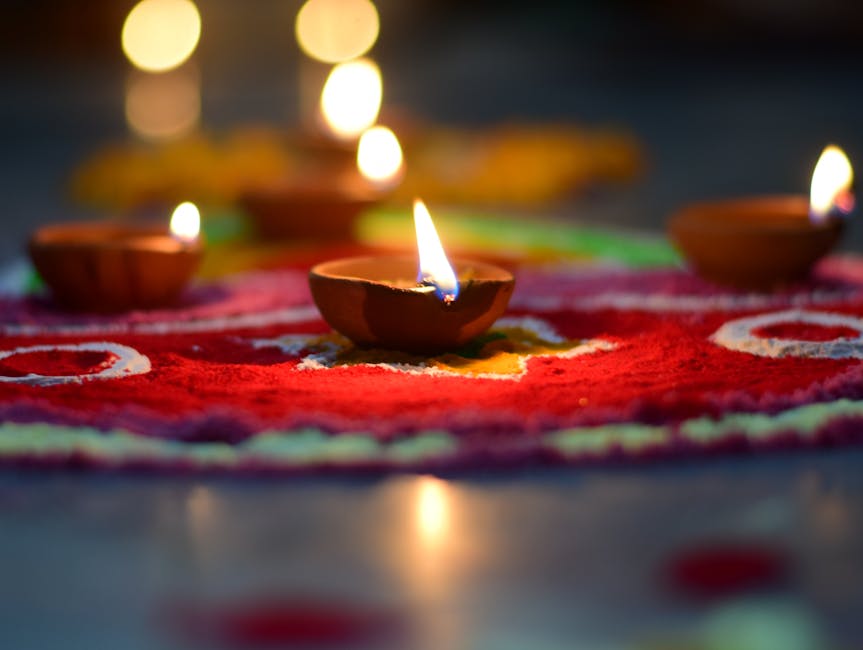
As the days shorten and the nights grow cooler, a sense of anticipation builds in the air. For millions of people around the world, the Festival of Lights, Diwali, is a time of joy, reflection, and spiritual renewal. This ancient celebration, rooted in the Vedic tradition, has evolved over time, yet its essence remains a powerful reminder of the human experience. As we light the diyas, or oil lamps, and decorate our homes with vibrant colors, we are not just celebrating a festival; we are participating in a symbolic expression of our deepest aspirations.
In the Bhagavad Gita, often referred to as The Divine Book, the concept of light is a recurring theme. The Gita describes the Self as the illuminating presence that shines within every being, guiding us through life’s journey. As we kindle the lights of Diwali, we are, in a sense, acknowledging the spark within ourselves, and the world around us. This spark, or jyoti in Sanskrit, represents the eternal, unchanging essence that resides within every individual.
The Mythic Origins of Diwali
The Puranas, ancient Hindu scriptures, offer various accounts of Diwali’s origins. One of the most well-known stories revolves around the return of Lord Rama, the king of Ayodhya, after a 14-year exile. The people of Ayodhya, overjoyed by Rama’s homecoming, lit lamps to illuminate his path, symbolizing the victory of light over darkness. This mythological event is often seen as a metaphor for the inner journey, where the individual confronts and overcomes their own darkness, or tamas, to reveal the radiant light of awareness.
In another narrative, Diwali is associated with the goddess Lakshmi, the embodiment of abundance, prosperity, and good fortune. As the goddess of wealth and beauty, Lakshmi is often depicted with four arms, representing the four directions, and is said to roam the earth on the night of Diwali, bestowing her blessings upon those who have purified their hearts and homes. The Sanskrit term lakshmi conveys a sense of gentle, auspicious energy, which we might translate as “beauty” or “good fortune.”
The Symbolism of Light and Darkness
Diwali’s central theme of light triumphing over darkness resonates deeply with our modern experience. In the midst of chaos and uncertainty, we often find ourselves navigating through life’s challenges, searching for a sense of direction and purpose. The festival reminds us that, just as light dispels darkness, our inner light can illuminate even the most turbulent of times.
The concept of tamas, or darkness, is not just an external condition, but also an internal state. It represents the tendencies of inertia, ignorance, and confusion that can obscure our perception and lead us astray. Conversely, the light of sattva – purity, clarity, and harmony – enables us to see the world and ourselves with greater precision, allowing us to make choices that align with our deepest values.
Finding Inner Peace Amidst Life’s Turbulence
As we observe Diwali, we are invited to reflect on our own relationship with light and darkness. How often do we allow the stresses of daily life to extinguish our inner flame, leaving us feeling lost and disoriented? And how can we, like the diyas, burn brightly, radiating warmth and light to those around us?
In the midst of career pressures, relationship challenges, and the constant din of information, it’s easy to become disconnected from our inner selves. We may feel like we’re drifting through life, rather than navigating it with intention and purpose. Diwali’s message of light overcoming darkness serves as a poignant reminder that our inner world is not separate from the external chaos; in fact, it is the very source of our resilience and guidance.
Cultivating Inner Illumination
So, how can we integrate the symbolism of Diwali into our daily lives? How can we nurture the spark within, allowing it to grow into a radiant flame that illuminates our path?
One approach is to cultivate mindfulness and meditation practices that help us connect with our inner light. By quieting the mind and tuning into our breath, we can begin to sense the presence of the Self, the jyoti that resides within. Regular practice of yoga, pranayama, or simply taking a few moments of stillness each day can help us tap into this inner illumination.
As we celebrate Diwali, let us not just focus on the external trappings of the festival, but also on the inner transformation that it represents. May the lights we kindle be a reminder of the light that shines within us, guiding us through life’s challenges and illuminating our path towards greater awareness, compassion, and peace.
A Final Thought for the Day
As the Festival of Lights comes to a close, and the diyas are gently extinguished, may the memory of their radiant glow remain with us, inspiring us to kindle our inner light. May we carry the sense of hope, renewal, and spiritual aspiration that Diwali embodies, and may it guide us through the days ahead, as we navigate the complexities and beauty of life.