
Listen to this Article:
A Time of Reckoning
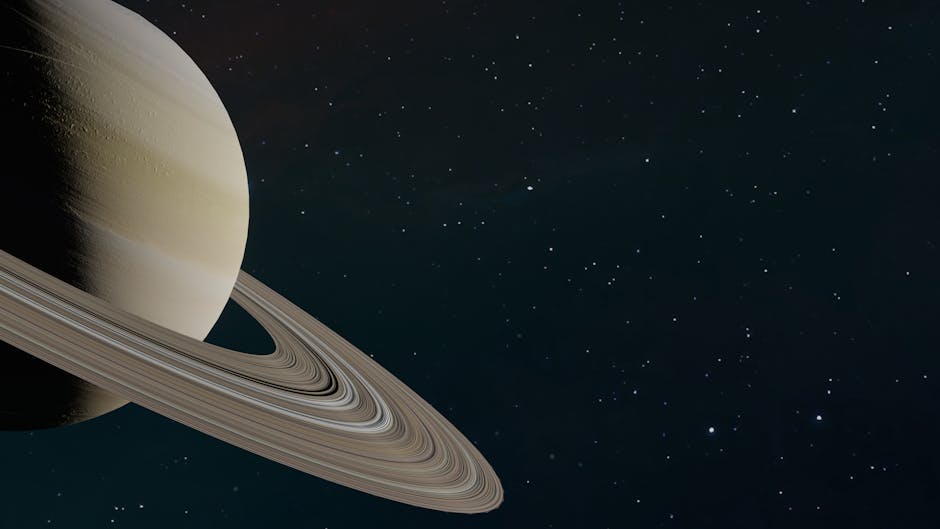
As we stand at the threshold of 2026, the astrological community is abuzz with the impending Saturn Return. This phenomenon, which occurs every 29.5 years, is a moment of great significance, a time when the planet Saturn completes its orbit around the Sun and returns to the same position it occupied at the time of our birth. For those familiar with Vedic astrology, this event is akin to a rite of passage, a moment when the cosmos beckons us to introspect, to re-evaluate our lives, and to align ourselves with the greater purpose of our existence.
In the Bhagavad Gita, that revered scripture of Hinduism, Lord Krishna speaks of the concept of _samskara_, or the accumulated impressions of our past actions. These impressions, like the grooves on a gramophone record, shape our perceptions, influence our decisions, and ultimately determine the course of our lives. The Saturn Return is an opportunity to examine these _samskaras_, to reflect on the choices we have made, and to consider the consequences of our actions. It is a time to acknowledge the patterns and habits that have held us back, and to make amends for the mistakes of the past.
As we navigate the complexities of modern life, it is easy to get caught up in the relentless pace of our daily routines. We find ourselves torn between the demands of our careers, the expectations of our loved ones, and the constant din of social media. Amidst this chaos, it is easy to lose sight of our inner selves, to neglect the whispers of our hearts, and to forget the values and principles that truly matter to us. The Saturn Return is a wake-up call, a reminder that our lives are not just a series of random events, but a deliberate and intentional journey towards self-discovery and realization.
The Weight of Karma
In Vedic philosophy, the concept of _karma_ is often misunderstood as a form of cosmic punishment or reward. However, _karma_ is more nuanced than that; it is the natural law of cause and effect, the understanding that every action, thought, and intention has consequences that ripple out into the world. The Saturn Return is a time when the _karma_ of our past actions comes back to us, when the seeds we have sown in the past begin to bear fruit. This can be a challenging experience, as we are forced to confront the shadow aspects of ourselves, to acknowledge the parts of us that we may have tried to hide or deny.
And yet, this confrontation is also an opportunity for healing and growth. As the Puranas, those ancient Hindu scriptures, remind us, _karma_ is not just a matter of individual action, but also of collective responsibility. We are all part of a larger web of relationships, connected to each other and to the natural world in ways that we can hardly begin to comprehend. The Saturn Return invites us to consider our place within this web, to recognize the impact that our actions have on others, and to take responsibility for the role we play in the world.
A Call to Self-Reflection
As we approach the Saturn Return, it is natural to feel a sense of trepidation or uncertainty. We may wonder what the future holds, or whether we are truly prepared for the challenges that lie ahead. But the Saturn Return is not just a time of trial; it is also a time of great opportunity. It is a chance to re-evaluate our priorities, to reassess our values, and to rediscover our sense of purpose.
In the Bhagavad Gita, Lord Krishna counsels us to cultivate the quality of _vairagya_, or detachment. This does not mean that we should abandon our relationships, our careers, or our passions; rather, it means that we should learn to approach these aspects of our lives with a sense of perspective, with the understanding that they are not the ultimate source of our fulfillment or happiness. The Saturn Return is a time to let go of our attachments, to release our grip on the things that no longer serve us, and to make space for the new and the unknown.
As we navigate the complexities of modern life, it is easy to get caught up in the external trappings of success: the perfect job, the perfect relationship, the perfect body. But the Saturn Return reminds us that true fulfillment comes from within, that the greatest treasure we can discover is the treasure of our own inner wisdom. It is a call to self-reflection, to introspection, and to the cultivation of a deeper sense of awareness and understanding.
A Time for Renewal
The Saturn Return is a time of reckoning, a time when the past, present, and future converge. It is a moment when the old must give way to the new, when the outdated and the obsolete must be released, and when the fresh and the innovative must be welcomed. As we stand at this threshold, we are invited to consider the kind of person we want to become, the kind of life we want to lead, and the kind of world we want to create.
In the Puranas, the god Saturn is often depicted as a wise and just ruler, one who dispenses _dharma_, or righteousness, to all who seek it. The Saturn Return is a time when we are called to embody this quality of _dharma_, to live our lives in accordance with the principles of justice, compassion, and truth. It is a time to recommit ourselves to our values, to re-engage with our passions, and to rediscover our sense of purpose and meaning.
As the day comes to a close, and we reflect on the significance of the Saturn Return, let us remember that this astrological event is not just a passing phenomenon, but a profound opportunity for growth, transformation, and renewal. May we approach this time with courage, with humility, and with an open heart, and may we emerge from it stronger, wiser, and more radiant than ever before. For as the Bhagavad Gita so eloquently reminds us, the ultimate goal of life is not to accumulate wealth, or to achieve success, but to realize our true nature, and to live in harmony with the world around us. May this be our guiding principle as we navigate the challenges and opportunities of the Saturn Return, and may we always remember that the greatest treasure we can discover is the treasure of our own inner wisdom.