Listen to this Article:
A Time of Great Awakening
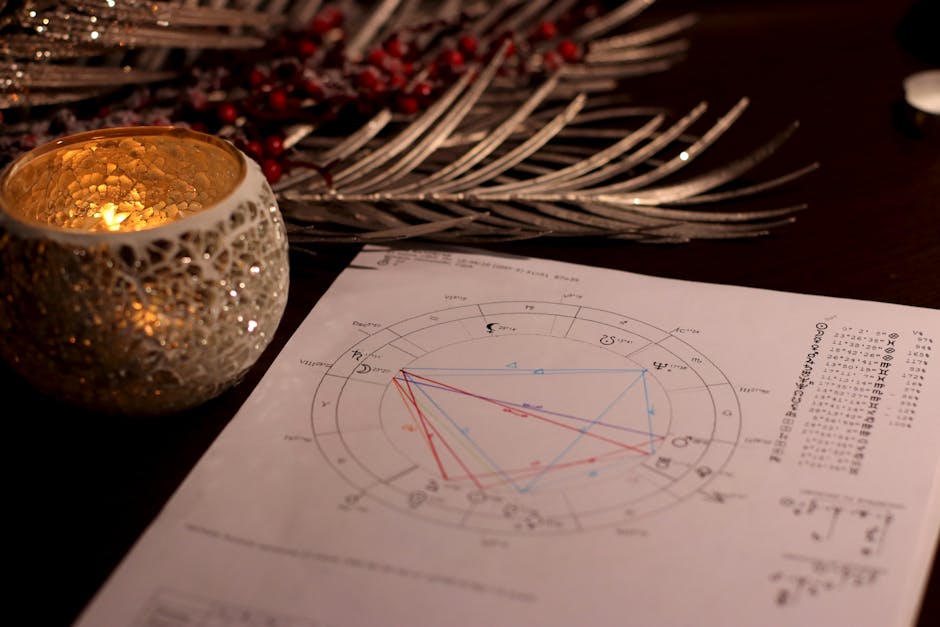
As we approach the Saturn Return of 2026, many of us are feeling the weight of transformation bearing down upon us. This astrological event, which occurs every 27-30 years, marks a significant turning point in our lives, a moment when the planet Saturn completes its cycle and begins anew. For those of us who have been walking the path of spiritual growth, this return is an opportunity to pause, reflect, and rebalance our lives. In the words of the Bhagavad Gita, the Divine Book, “The one who has controlled the mind, and senses, and has realized the Self, is eligible to attain the state of supreme peace and liberation.”
As we navigate the challenges of this modern world, it’s easy to get caught up in the chaos of daily life. Our careers, relationships, and personal struggles can leave us feeling drained and uncertain. The concept of “samskara” in Sanskrit, which refers to the impression or scar left on our psyche by past experiences, can help us understand why we often find ourselves stuck in patterns of thought and behavior. The Saturn Return is a chance to confront and release these samskaras, to break free from the cycles that no longer serve us. As the great sage, Krishna, says in the Bhagavad Gita, “The impermanent appearance of happiness and distress, and their disappearance in due course, are like the appearance and disappearance of winter and summer seasons.”
Confronting Our Fears and Limitations
The Saturn Return is not just a time of spiritual growth, but also a time of reckoning. It’s a moment when we’re forced to confront our deepest fears and limitations. The concept of “abhinivesha” in Sanskrit, which refers to the fear of death or the fear of letting go, can help us understand why we often cling to things that no longer serve us. Whether it’s a toxic relationship, a dead-end job, or a self-destructive habit, we must be willing to let go of what’s holding us back. As the Puranas, ancient Vedic texts, remind us, “The universe is constantly changing, and the only constant is change itself.” We must learn to adapt, to flow like the river, and to trust in the natural order of things.
In this time of great awakening, we’re called to examine our relationships, our careers, and our daily habits. We must ask ourselves, “What am I truly committed to? What brings me joy and fulfillment?” The concept of “dharma” in Sanskrit, which refers to our duty or purpose, can help us find our way. When we’re living in alignment with our dharma, we feel a sense of flow, of ease, and of connection to something greater than ourselves. As the Bhagavad Gita reminds us, “One who has taken his birth, being determined by his karma, is compelled to act in a particular way, just as a chariot is driven by the horses.”
Embracing the Unknown
The Saturn Return is also a time of great uncertainty. We may feel like we’re standing at a crossroads, unsure of which path to take. The concept of “avidya” in Sanskrit, which refers to ignorance or lack of knowledge, can help us understand why we often feel lost or confused. We may not have all the answers, but we can trust that the universe is guiding us. As the great sage, Ramana Maharshi, once said, “The only thing that is real is the present moment. The past is gone, and the future is yet to come.” We must learn to surrender, to let go of our need for control, and to trust in the natural unfolding of life.
In this time of great transformation, we’re called to be patient, compassionate, and kind. We must learn to love ourselves, to accept ourselves, and to forgive ourselves. The concept of “atma-karuna” in Sanskrit, which refers to self-compassion, can help us cultivate a deeper sense of inner peace and understanding. As the Bhagavad Gita reminds us, “The one who has taken shelter of Me, and has surrendered unto Me, is eligible to attain the state of supreme peace and liberation.” We are not alone on this journey; we are supported by the universe, by our loved ones, and by our own inner wisdom.
A Final Thought for the Day
As we navigate the challenges of the Saturn Return, let us remember that we are not just individuals, but part of a larger web of life. We are connected to each other, to the earth, and to the cosmos. The concept of “non-duality” in Sanskrit, which refers to the unity of all things, can help us understand that we are not separate, but part of a larger whole. As the great sage, Adi Shankara, once said, “The universe is like a great mirror, reflecting the beauty and diversity of the human experience.” May we approach this time of transformation with an open heart, a willingness to learn, and a deep trust in the natural order of things. May we remember that we are not just passing through this world, but are an integral part of its beauty, its wonder, and its mystery. And may we always keep in mind the wise words of the Bhagavad Gita, “The one who has seen the inmost Self, and has realized the Supreme, is eligible to attain the state of supreme peace and liberation.”