
Listen to this Article:
The Timeless Call of the Bhagavad Gita
In the midst of life’s chaos, it’s easy to feel disconnected from our deeper selves and the world around us. The Bhagavad Gita, an ancient Indian scripture, speaks directly to this sense of disorientation. This sacred text, often referred to as “The Divine Book,” offers profound wisdom on how to navigate life’s complexities with clarity, purpose, and inner peace. As we explore the Gita’s teachings, we’ll discover how its timeless insights can be applied to our everyday lives, helping us find balance, resilience, and fulfillment.
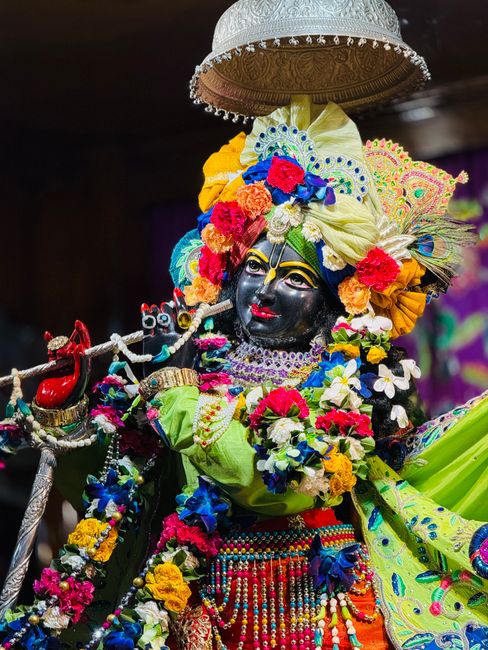
The Gita’s story begins on a battle-scarred field, where Prince Arjuna stands at a crossroads, torn between his duty as a warrior and his moral objections to fighting. This inner conflict resonates deeply with modern seekers, who often struggle to reconcile their professional ambitions with their personal values. As Arjuna grapples with his doubts, he receives guidance from Lord Krishna, who embodies the divine. Their conversation forms the heart of the Gita, offering practical advice on how to live a life of purpose, compassion, and self-awareness.
Embracing the Present Moment
One of the Gita’s most valuable teachings is the importance of being present in the moment. In Sanskrit, this concept is called sthita-prajña, or “steady wisdom.” It refers to the ability to remain calm, centered, and aware, regardless of life’s challenges. As we cultivate this quality, we become better equipped to handle stress, anxiety, and uncertainty. By letting go of distractions and focusing on the present, we can tap into a deeper sense of clarity and purpose.
Consider the example of a busy professional, juggling multiple projects and deadlines. As they work, they might feel overwhelmed by thoughts of the future or regrets about the past. But what if they took a moment to pause, breathe deeply, and focus on the task at hand? By doing so, they can tap into a sense of flow, creativity, and productivity. This is the power of sthita-prajña – it allows us to engage with life fully, without getting caught up in mental chatter.
The Paradox of Action and Non-Action
The Gita also explores the paradox of action and non-action. In Sanskrit, this is known as karma yoga, or the path of selfless action. It suggests that we can engage with the world, take action, and make a difference, while simultaneously letting go of attachment to outcomes. This approach allows us to cultivate a sense of detachment, not in a passive sense, but as a means of embracing life with greater freedom and joy.
Think of a person working in a field they love, but struggling with feelings of burnout. They might feel compelled to push themselves harder, achieving more, but at what cost? By applying the principles of karma yoga, they can learn to let go of their attachment to specific outcomes, focusing instead on the process, the journey. As they do so, they may discover a renewed sense of passion, creativity, and fulfillment.
Embracing the Cycles of Life
The Puranas, ancient Indian texts that complement the Gita, offer insights into the cyclical nature of life. They describe the world as an intricate web of relationships, where every action ripples out, influencing the lives of those around us. This understanding encourages us to adopt a more holistic perspective, recognizing that our individual experiences are interconnected with the experiences of others.
As we navigate life’s challenges, we can draw inspiration from the Puranic concept of leela, or the divine play. This term describes the ever-unfolding dance between the universe and its inhabitants, where every moment presents an opportunity for growth, learning, and transformation. By embracing this perspective, we can approach life with greater curiosity, openness, and wonder.
Cultivating Inner Wisdom
The Bhagavad Gita invites us to explore our inner world, to cultivate a deeper understanding of ourselves and our place in the world. This journey of self-discovery is rooted in the concept of atma, or the individual self. As we explore our atma, we begin to recognize our inherent value, our strengths, and our weaknesses. We develop a greater sense of compassion, empathy, and understanding – not just for ourselves, but for others.
In the stillness of the moment, as we tune into our inner wisdom, we may discover a sense of guidance, a gentle voice that speaks to our heart. This voice reminds us of our deepest values, our highest aspirations, and our innate potential. As we listen to this inner wisdom, we become more attuned to our inner world, more resilient in the face of challenges, and more radiant in our interactions with others.
A Final Thought for the Day
As we navigate the complexities of modern life, the Bhagavad Gita offers a powerful reminder: that wisdom, compassion, and inner peace are always within reach. By embracing the present moment, cultivating self-awareness, and adopting a holistic perspective, we can find greater balance, resilience, and fulfillment. May we carry the Gita’s timeless insights with us, as we journey through the twists and turns of life, and may its wisdom guide us toward a deeper understanding of ourselves and the world around us.