
Listen to this Article:
Embracing the Darkness with Ancient Wisdom
As the days grow shorter and the nights colder, many of us begin to feel a familiar sense of melancholy creeping in. Seasonal Affective Disorder, or SAD, is a common phenomenon in the Western world, where the lack of sunlight and warmth can disrupt our mood and energy levels. But what if I told you that the ancient Vedic tradition has been dealing with this very issue for thousands of years? In the timeless wisdom of the Bhagavad Gita, also known as “The Divine Book,” we find a profound understanding of the human condition, including the ebbs and flows of our emotional landscape.
The Vedic seers, or rishis, recognized that our lives are intricately connected with the natural world. They observed how the cycles of nature – the rising and setting of the sun, the phases of the moon, and the changing of the seasons – impact our physical, emotional, and spiritual well-being. This awareness is beautifully captured in the concept of “ritam,” or the natural order of the universe. Ritam is the subtle harmony that governs all of existence, from the rhythms of the Earth to the rhythms of our own hearts. By tuning into this natural order, we can begin to heal and balance our inner world, even in the midst of darkness and cold.
In the Puranas, a collection of ancient Vedic stories and myths, we find tales of great heroes and heroines who faced similar challenges. The story of Prahlada, a young prince who remained steadfast in his devotion to the divine despite the harsh conditions of his life, is a powerful reminder of the human capacity for resilience and inner light. Prahlada’s story teaches us that even in the darkest of times, we can cultivate a sense of inner peace and joy, which is known as “ananda” in Sanskrit. Ananda is not just a feeling, but a state of being that arises from our deep connection to the universe and to our own true nature.
The Interplay of Light and Darkness
The Vedic tradition recognizes that light and darkness are not mutually exclusive, but rather interconnected aspects of the human experience. The Sanskrit word “tamas” refers to the darkness, or the unconscious, which is a natural part of our psyche. However, when tamas becomes dominant, it can lead to feelings of sadness, lethargy, and disconnection. On the other hand, the word “sattva” represents the light, or the conscious, which is characterized by clarity, harmony, and balance. The goal of Vedic spirituality is not to eliminate tamas entirely, but to find a balance between the two, allowing us to navigate the complexities of life with greater ease and wisdom.
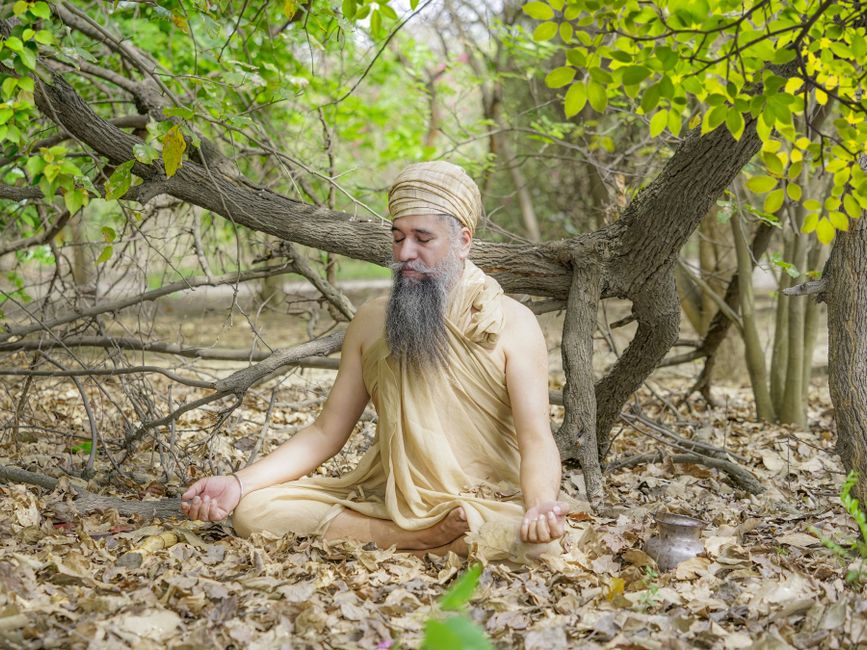
In the context of SAD, this means acknowledging the darkness and allowing ourselves to feel the emotions that arise, rather than trying to suppress or deny them. At the same time, we can cultivate practices that bring more light and sattva into our lives, such as meditation, yoga, and spending time in nature. The Bhagavad Gita reminds us that we are not just passive victims of our circumstances, but rather active participants in the creation of our own reality. By choosing to focus on the light, even in the midst of darkness, we can begin to transform our experience and find a deeper sense of purpose and meaning.
Cultivating Inner Light
So, how can we cultivate this inner light, especially during the darker months of the year? One of the most powerful practices in the Vedic tradition is the use of “mantras,” or sacred sounds, which have the ability to transform our consciousness and uplift our mood. The mantra “om” is a universal sound that represents the divine, and repeating it to ourselves can help to calm the mind and bring a sense of inner peace. Another practice is “pranayama,” or breath control, which can help to balance our energy and calm our nervous system. By focusing on the breath, we can begin to quiet the mind and access deeper states of consciousness.
In addition to these spiritual practices, the Vedic tradition also recognizes the importance of self-care and nourishment. The concept of “ojas” refers to our vital energy, which is essential for maintaining our physical, emotional, and mental well-being. During the winter months, it’s especially important to nourish our ojas by eating warm, comforting foods, getting enough rest, and engaging in activities that bring us joy and relaxation. By taking care of our physical and emotional needs, we can begin to build our resilience and better navigate the challenges of SAD.
Embracing the Cycle of Life
As we navigate the ups and downs of life, it’s essential to remember that we are part of a larger cycle, a cycle that includes birth, growth, decay, and renewal. The Vedic tradition teaches us to embrace this cycle, rather than trying to resist or control it. By letting go of our attachment to specific outcomes and expectations, we can begin to flow with the natural current of life, even when it’s challenging or uncomfortable. The Bhagavad Gita reminds us that we are not just individual egos, but rather droplets of the divine, connected to the entire web of existence.
As the days grow shorter and the nights colder, may we remember that we are not alone in our struggles. May we draw upon the ancient wisdom of the Vedic tradition, which offers us a profound understanding of the human condition and the natural world. May we cultivate inner light, balance, and harmony, even in the midst of darkness and cold. And may we always remember that we are part of a larger cycle, a cycle that includes the rhythms of nature and the rhythms of our own hearts.
As I leave you with these thoughts, I offer a final reflection for the day: may we learn to embrace the darkness, not as an enemy to be overcome, but as a teacher, guiding us deeper into the mystery and wonder of our own existence. May we find the courage to face our fears, the wisdom to navigate our challenges, and the compassion to nurture our own hearts. And may we always remember that, no matter what the season may bring, we are never truly alone, for we are always connected to the divine, to each other, and to the eternal rhythm of the universe.